I believe that grading artists on their work is unkind, pedantic and pointless–but since Markert graduated with a degree in mathematics, this qualifies as one of the rare instances where giving a number is ideal: she gets x^2-(x-2)+26=118 solve for x (where x is positive) out of 10.
The math skills show in the precision of Markert’s photographs, but she’s also able to find the whimsical and sensual aspects of erotic presentation. A portfolio of self-portraits (which she plans to include in a book) may be seen here, where Markert writes:
These images are the beginning of a sentence, to spark my creativity and
remind myself that at the end of the day all I need is right in front
of me–myself and my camera; anything is possible.
There is no reason to fear ghosts, ever. Either they can hurt you or they can’t. If they can’t, then the best they can do is the occasional scare. And if they can hurt/kill you, then you’re a ghost too now and it’s fucking on.
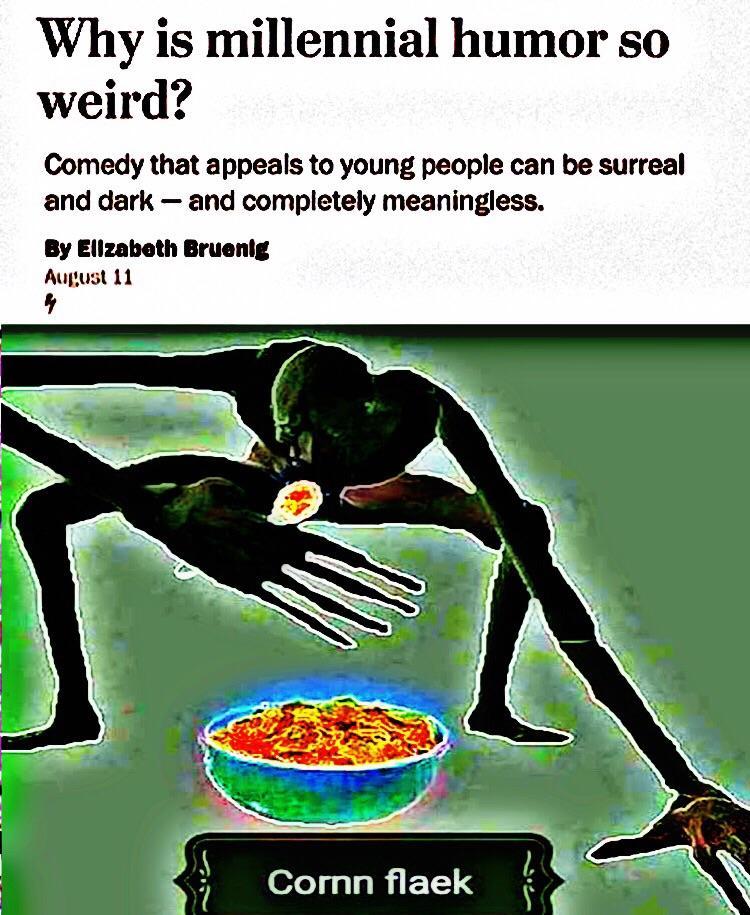
it’s because reality is terrifying and our world’s dying, and our developmental years were spent in a constant state of using increasingly nonsensical humor to cope
It’s called the rise of neo-dadaism and the same thing happened during WWII
well that’s not concerning At All
Max Ernst. The Murdering Airplane, 1920
This is what you get when you have most of an entire generation that goes off to a war of attrition and drowns in the mud of the trenches or is chewed to death by rats, among other similarly interesting ways to die. They come home, and it means nothing. Nothing means anything anymore, everything is meaningless, fuck the rules lets get drunk and make art. They had theatrical performances where the actor sat on a single chair on the stage and reacted to the audience. They made money at those shows by selling things to throw at the stage, because why the fuck not? They created art that reflected both their emptiness, and in a sideways sort of way, a sort of hope.
A century later and nothing has really changed aside from the technology of the medium. And I’m certain that most of these artists would have loved smartphones and memes.
Max Ernst painted pictures using fish (not of fish – using fish to paint) and the entire Week of Kindness was basically pre-computer photoshopping. He would have loved all this shit.
So the other day, I was thinking about the classic alignment chart, and how it doesn’t really do much for me personally since it’s more about how characters interact with systems rather than how they interact with other people
I had a minute, so I figured I’d throw something together that DID suit my needs!
(Note: This chart regards a character’s intent rather than the outcome of their actions—and for sake of clarity, here are the definitions I’m working with:
Good: concerned with the well-being the collective, often at expense of the self
Evil: concerned with the well-being of the self, often at the expense of the collective
Kind: concerned with the emotional responses of others
Cruel: unconcerned with the emotional responses of others)
I like conceptualizing things this way, cause sometimes Bad People behave with ‘good’ or ‘kind’ intentions, and sometimes Good People do things that seem ‘evil’ or ‘cruel’
Also this gives me a way to compare/contrast characters who get lumped together under the other system
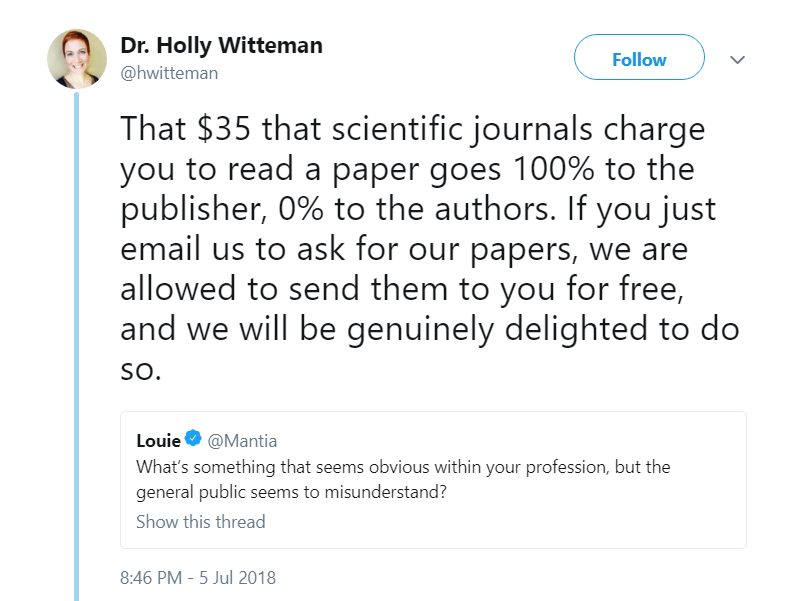
This seems like something everyone should know if they’re in the sciences and/or interested in reading scientific papers.
Also, Sci-Hub is totally not a thing that doesn’t allow you to access papers, so don’t even think of trying it. This isn’t the link, so don’t bookmark it: https://sci-hub.tw/










 Steel Phoenix Studios