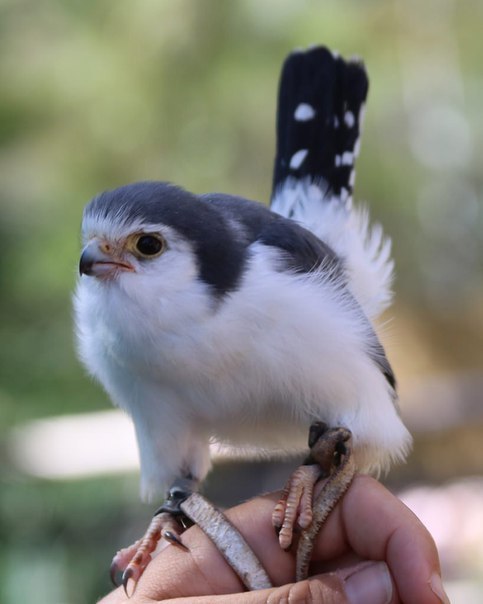
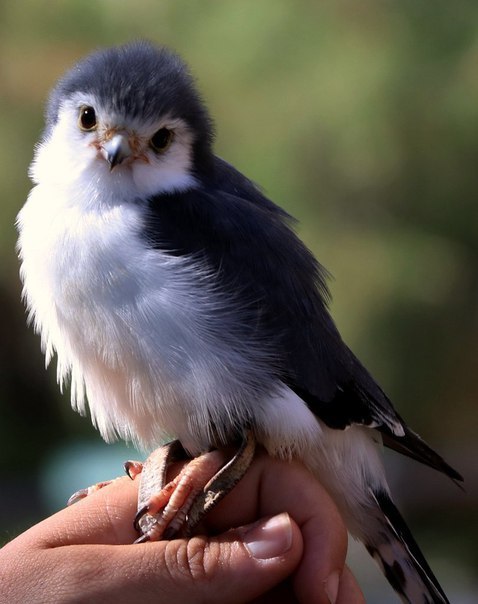
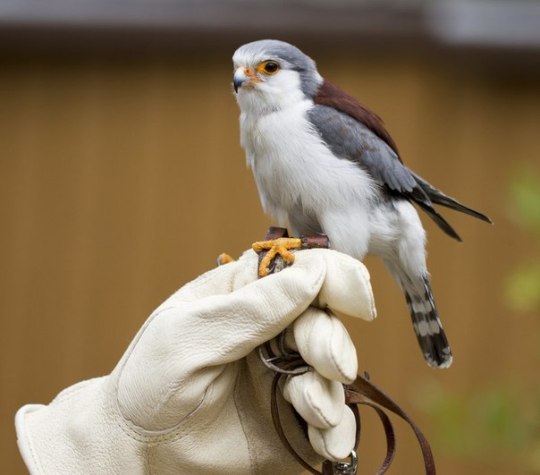
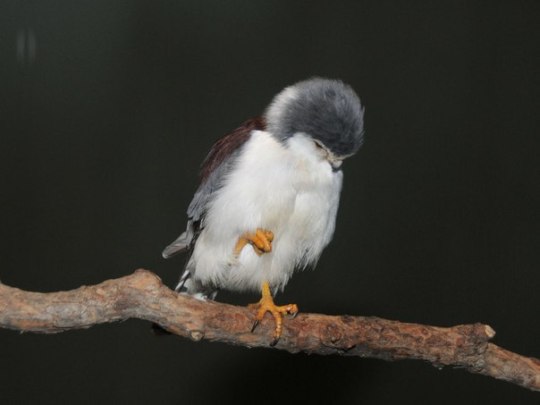
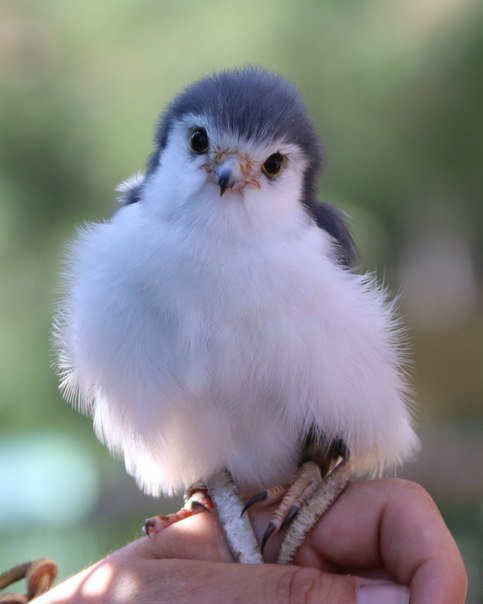
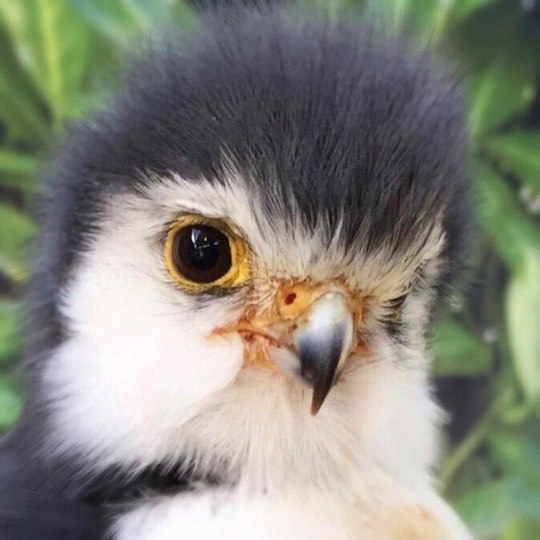
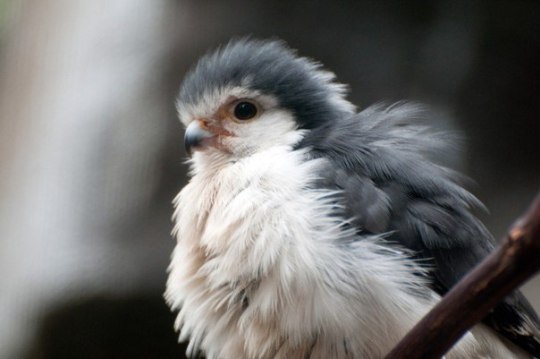
OMG IT IS ONE OF MY FAVORITE KINDS OF FUZZY DEATH BABIES
(Mostly because I did an acrylic painting of one in high school and it turned out awesome enough to piss off my teacher who promptly made me feel like shit about my accomplishment and thus, the painting was never completed. But I still like the birb.)
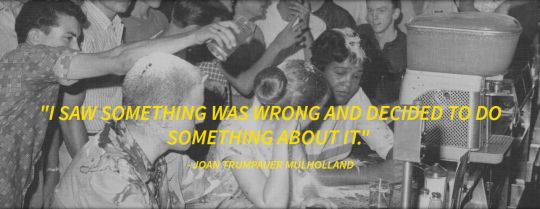
Mugshot of a teenage girl arrested for protesting segregation, Mississippi, 1961.
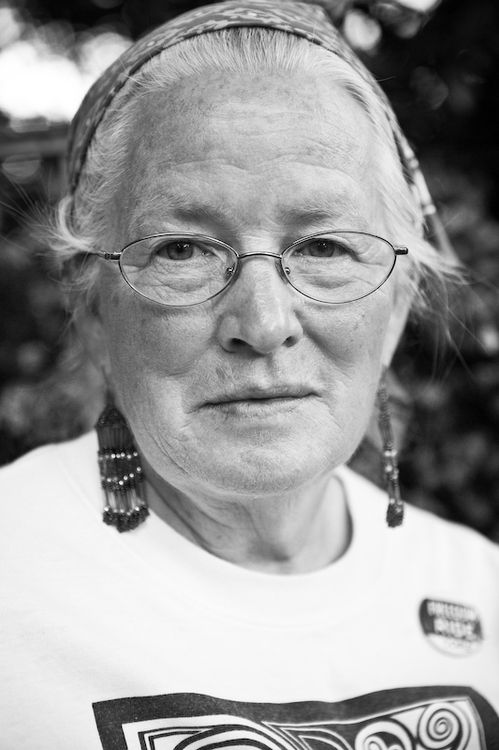
Her name is Joan Trumpauer Mulholland. Her family disowned her for her activism. After her first arrest, she was tested for mental illness, because Virginia law enforcement couldn’t think of any other reason why a white Virginian girl would want to fight for civil rights.
She also created the Joan Trumpauer Mullholland Foundation. Most recently, she was interviewed on Samatha Bee’s Full Frontal on February 15 for their segment on Black History Month.
Don’t reduce civil rights heroes to “teenage girl”.
Her great-grandparents were slave owners in Georgia, and after the United States Civil War, they became sharecroppers. Trumpauer later recalled an occasion that forever changed her perspective, when visiting her family in Georgia during summer. Joan and her childhood friend Mary, dared each other to walk into “n*gger” town, which was located on the other side of the train tracks. Mulholland stated her eyes were opened by the experience: “No one said anything to me, but the way they shrunk back and became invisible, showed me that they believed that they weren’t as good as me. At the age of 10, Joan Trumpauer began to recognize the economic divide between the races. At that moment she vowed to herself that if she could do anything, to help be a part of the Civil Rights Movement and change the world, she would.
In the spring of 1960, Mulholland participated in her first of many sit-ins. Being a white, southern woman, her civil rights activism was not understood. She was branded as mentally ill and was taken in for testing after her first arrest. Out of fear of shakedowns, Mulholland wore a skirt with a deep, ruffled hem where she would hide paper that she had crumpled until it was soft and then folded neatly. With this paper, Mulholland was able to write a diary about her experiences that still exists today. In this diary, she explains what they were given to eat, and how they sang almost all night long. She even mentioned the segregation in the jail cells and stated, “I think all the girls in here are gems but I feel more in common with the Negro girls & wish I was locked in with them instead of these atheist Yankees.
Soon after Mulholland’s release, Charlayne Hunter-Gault and Hamilton E. Holmes became the first African American students to enroll at the University of Georgia. Mulholland thought, “Now if whites were going to riot when black students were going to white schools, what were they going to do if a white student went to a black school?” She then became the first white student to enroll in Tougaloo College in Jackson, where she met Medgar Evers, Dr. Martin Luther King Jr., Reverend Ed King, and Anne Moody.
She received many letters scolding or threatening her while she was attending Tougaloo. Her parents later tried to reconcile with their daughter, and they tried to bribe her with a trip to Europe. She accepted their offer and went with them during summer vacation. Shortly after they returned, however, she went straight back to Tougaloo College.
She ultimately retired after teaching English as a Second Language for 40 years and started the Joan Trumpauer Mulholland Foundation, dedicated to educating the youth about the Civil Rights Movement and how to become activists in their own communities.
I watched a YouTube video once (by a guy who’s name escapes me) about the importance of making sure the stories of white activists are told. His point was that it’s not about lavishing praise on them just because they were white and “woke”, it’s about letting other white allies see that others have come before them who were willing to sacrifice and do the hard work. This way they can see themselves in someone and realize that destroying inequality isn’t a fringe interest or just an “us vs. them” issue. It has to be ALL OF US.
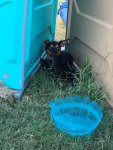
Kitten Huddled Up to Dog and Won’t Leave Him Until They are Saved
The two best friends have been named Gomez (Chihuahua mix) and Morticia (tuxedo kitten). They are like two peas in a pod, completely inseparable. They are doing well in foster care and will be available for adoption once they are spayed and neutered.
AU where Minerva McGonagall has a little less faith in Albus Dumbledore so she does agree to leave Harry at the Dursleys.
But then proceeds to move right in next door with her wife because Albus never said that she couldn’t.
So Harry grows up with two grandmalike aunties next door, who basically finnagle him into living with them in all but name. It’s great, until he gets to Hogwarts because he keeps accidentally calling McGonagall Aunt Min instead of Professor.
The more I think about this the better it gets because suddenly a small biracial orphan appearing on the Dursley’s doorstep is less scandalous and gossip worthy in the
pasty ass white suburbia of Privet Drive, when it’s compared to the elderly lesbian interracial couple who moved in next door.
Okay this has an amazing amount of potential for Harry, but I am very filled with curiosity about Minerva’s wife.
1) Who is she? and more importantly
2) How did this marriage come to pass?
I mean I am all for Minerva McGonagall having had a wife already at this juncture in her life, but consider
1) Utter BAMF who is acknowledged to be out of everyone’s league Minerva McGonagall walking into a Ministry break room full of lady Aurors and the like and saying, “I have a child that needs looking after and a neighborhood full of prats who need scandalizing and will marry the first woman to say yes” and there is a moment’s shock and then the verbal equivalent of half a dozen bridesmaids diving for the bouquet with one clear winner who was a split second faster on the uptake and they end up in love by the time Harry is old enough to toddle properly.
2) The house next door is being sold by the daughter of its occupant who just inherited it and wants nothing to do with Little Whinging except to inflict herself on all the narrow-minded bastards long enough to get a good price for it; when Minerva walks in the door there is a mental adjustment that leaves her swooning (or maybe that’s Minerva) and after tea, dinner, and certain other activities she invites Minerva to live with her instead of selling it.
3) Minerva specifically tracks down the schoolmate she knows to be best at making stupid people regret everything, and asks her to pretend to be her wife, share a house in Little Whinging with her, and help keep an eye on Harry Potter. Both of them solidly overestimated their ability to keep the relationship fake.















 Steel Phoenix Studios