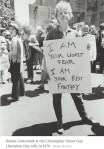
Donna Gottschalk’s “Brave, Beautiful Outlaws” is opening at Leslie-Lohman Museum of Gay and Lesbian Art on Aug. 29. While Ms. Gottschalk doesn’t identify as a documentary photographer or a photojournalist, she has been making pictures since she was 17. Photos selected from her 50-year personal archive will be made public for the first time.
Her work documents her closeness with her working class family and her involvement with the radical lesbian, sometimes separatist, communities in the late ’60s and ’70s.
The photos are tinged with mourning and mystery. She’s been holding their memory for decades, “fiercely protective” and unwilling to “subject them to scrutiny, judgment and abuse” from the outside world.
”Understand, people didn’t care about them or my pictures of them back in the day,” she said. “These people were all very dear to me, and they were beautiful. These pictures are the only memorial some of these people will ever have.”
not voting isn’t refusing to play the game. You’re in this country, you’re subject to the game whether you like it or not. The only way not to play is to leave, and the vast majority of us don’t have that option.
Not voting is playing the game but saying ‘pass’ every time your turn comes up and then wondering why you lost.
Making young people not vote is actually a tactic used in politics to keep the satus quo. The young vote is always the one for change, so dissuading them from voting at all is actually a political tactic used by the people in charge to keep themselves there.
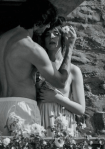
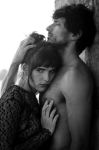
Nef goes on to explain the difference between her photoshoot with Velencoso, versus how transgender women are typically photographed in fashion editorials. “images of trans femmes being loved rarely exist outside of pornography,” Nef wore. “We tend to be hyper-sexualized and objectified within the cisgender gaze. Either that or we’re dehumanized as scum or (just as bad) untouchable goddesses.”
Earth is a complex, dynamic system. For 60 years, we have studied our changing planet, and our understanding continues to expand with the use of new technologies. With data from satellites, instruments on the International Space Station, airborne missions, balloons, and observations from ships and on land, we track changes to land, water, ice, and the atmosphere. Application of our Earth observations help improve life now and for future generations. Since we opened for business on Oct. 1, 1958, our history tells a story of exploration, innovation and discoveries. The next 60 years, that story continues. Learn more: https://www.nasa.gov/60
Make sure to follow us on Tumblr for your regular dose of space: http://nasa.tumblr.com.























 Steel Phoenix Studios