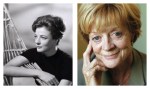
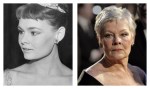
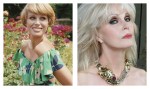
“40 is good, 50 is great, 60 is fab, and 70 is fucking awesome!” ~ Helen Mirren 💪🏻
missed some greats!
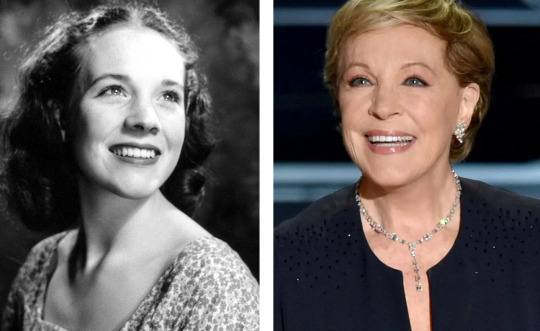
I can’t believe Julie Andrews is not on this list guys.
“It’s fucking outrageous. It’s ridiculous. And ’twas ever thus. We all watched James Bond as he got more and more geriatric, and his girlfriends got younger and younger. It’s so annoying.” – Helen Mirren on the bullshit that is (sexist) ageism (source)
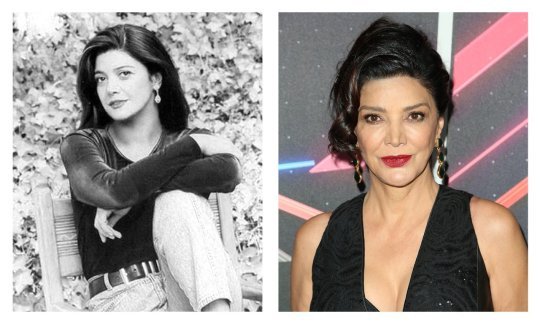
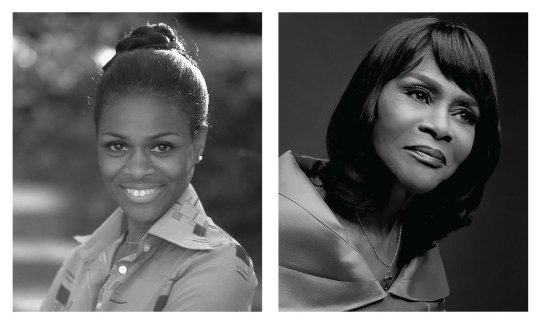
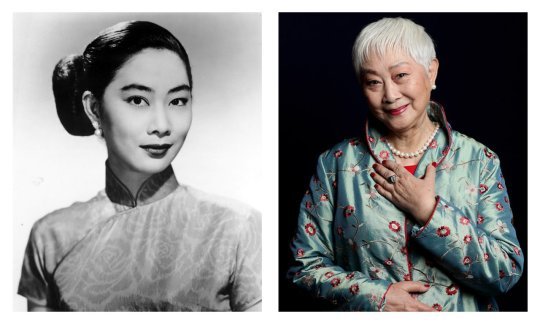
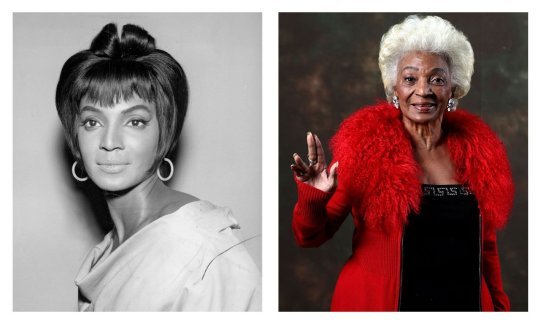
Whenever you need a positive role model to help you remember that aging is NATURAL, aging is BEAUTIFUL, there is NOTHING WRONG with aging, and if you’re LUCKY will you live long enough to experience it – look long and hard at every single one of these these Queens.
LOOK. AT. THEM.
Go ladies!
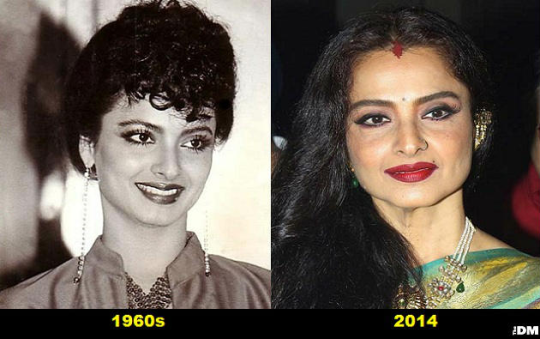
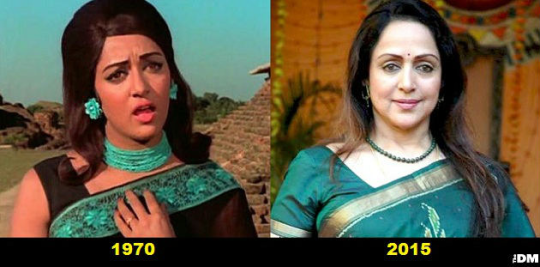
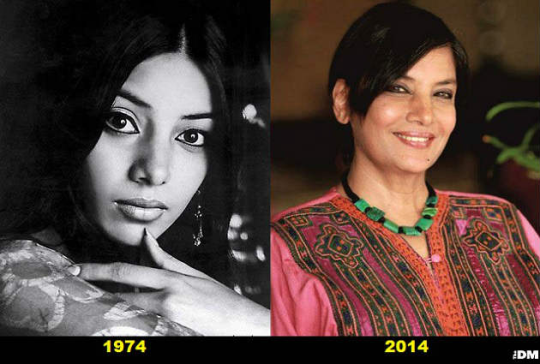
Might I add
Rekha
Hema Malini
Shabana Azmi
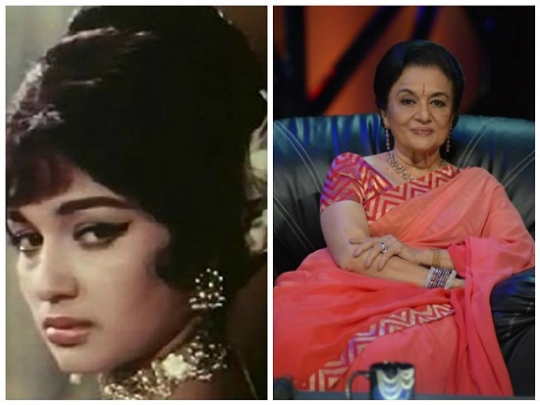
Asha Parekh
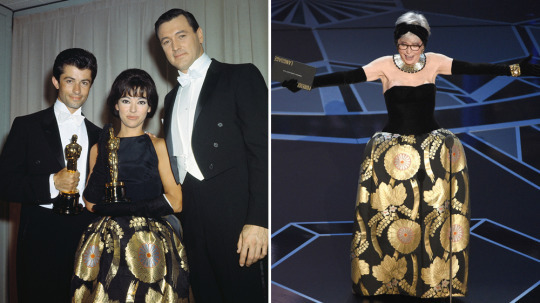
Rita Moreno
Many women have talked about how amazing life is after your 40s. Some have their happiest years in their 70s. We need to stop believing society when it tells us our lives are over when we reach 35.
I turned 50 this year and it’s been my best year ever.
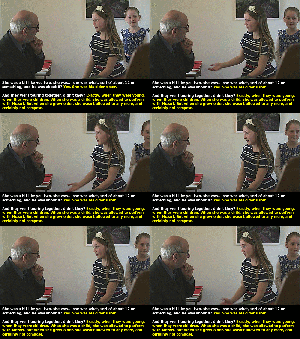
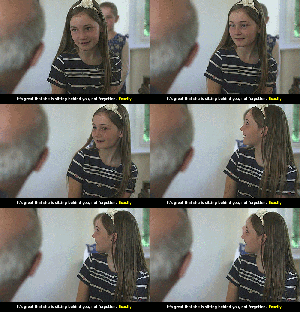
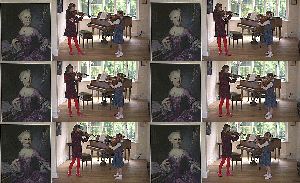
Musical prodigy Alma Deutscher aged 11 (seen here with younger sister Helen), is staging her first full-length opera, Cinderella.
Composer, pianist, violinist… Alma learned to read music before she could read words. She began playing the piano aged two and at four years old she was composing her own music.
This post goes harder than any post has ever gone before.
the sheer amount of Fucks Not Given in these photos is creating a Black Hole Of Ungiven Fucks, sucking in all the bullshit over the Fuck You event horizon and trapping it so the bullshit can’t escape. It’s gorgeous.
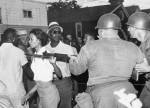
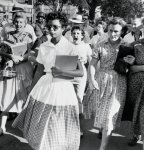
Mugshot of a teenage girl arrested for protesting segregation, Mississippi, 1961.
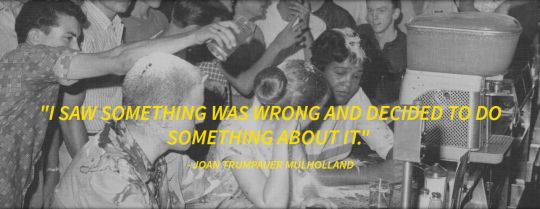
Her name is Joan Trumpauer Mulholland. Her family disowned her for her activism. After her first arrest, she was tested for mental illness, because Virginia law enforcement couldn’t think of any other reason why a white Virginian girl would want to fight for civil rights.
She also created the Joan Trumpauer Mullholland Foundation. Most recently, she was interviewed on Samatha Bee’s Full Frontal on February 15 for their segment on Black History Month.
Don’t reduce civil rights heroes to “teenage girl”.
Her great-grandparents were slave owners in Georgia, and after the United States Civil War, they became sharecroppers. Trumpauer later recalled an occasion that forever changed her perspective, when visiting her family in Georgia during summer. Joan and her childhood friend Mary, dared each other to walk into “n*gger” town, which was located on the other side of the train tracks. Mulholland stated her eyes were opened by the experience: “No one said anything to me, but the way they shrunk back and became invisible, showed me that they believed that they weren’t as good as me. At the age of 10, Joan Trumpauer began to recognize the economic divide between the races. At that moment she vowed to herself that if she could do anything, to help be a part of the Civil Rights Movement and change the world, she would.
In the spring of 1960, Mulholland participated in her first of many sit-ins. Being a white, southern woman, her civil rights activism was not understood. She was branded as mentally ill and was taken in for testing after her first arrest. Out of fear of shakedowns, Mulholland wore a skirt with a deep, ruffled hem where she would hide paper that she had crumpled until it was soft and then folded neatly. With this paper, Mulholland was able to write a diary about her experiences that still exists today. In this diary, she explains what they were given to eat, and how they sang almost all night long. She even mentioned the segregation in the jail cells and stated, “I think all the girls in here are gems but I feel more in common with the Negro girls & wish I was locked in with them instead of these atheist Yankees.
Soon after Mulholland’s release, Charlayne Hunter-Gault and Hamilton E. Holmes became the first African American students to enroll at the University of Georgia. Mulholland thought, “Now if whites were going to riot when black students were going to white schools, what were they going to do if a white student went to a black school?” She then became the first white student to enroll in Tougaloo College in Jackson, where she met Medgar Evers, Dr. Martin Luther King Jr., Reverend Ed King, and Anne Moody.
She received many letters scolding or threatening her while she was attending Tougaloo. Her parents later tried to reconcile with their daughter, and they tried to bribe her with a trip to Europe. She accepted their offer and went with them during summer vacation. Shortly after they returned, however, she went straight back to Tougaloo College.
She ultimately retired after teaching English as a Second Language for 40 years and started the Joan Trumpauer Mulholland Foundation, dedicated to educating the youth about the Civil Rights Movement and how to become activists in their own communities.
I watched a YouTube video once (by a guy who’s name escapes me) about the importance of making sure the stories of white activists are told. His point was that it’s not about lavishing praise on them just because they were white and “woke”, it’s about letting other white allies see that others have come before them who were willing to sacrifice and do the hard work. This way they can see themselves in someone and realize that destroying inequality isn’t a fringe interest or just an “us vs. them” issue. It has to be ALL OF US.
Her rambunctious willingness to hurl herself about became the hallmark
of her slapstick screen persona, Madcap Mabel.“There was no cliff so
high that Mabel was afraid of it,” as Mary Pickford put it; “no bucking
bronco too wild for her to ride; as for dodging Keystone pies, there was
no one ever on the screen who could do it more gracefully and with as
much poise as Mabel.”
Normand not only played the damsel in distress (in Barney Oldfield’s Race for a Life,
she was the first gal to be tied to the railroad tracks), she also
flipped a stereotype only a few years in the forging, by frequently
rescuing the leading man instead. “It was new to see women doing this,”
says Ally Acker, Author of Reel Women: The First Hundred Years. “Pearl
White also did her own stunts, but no one else was spoofing the serials
and turning them into comedy.”
Films such as Mabel’s Dramatic Career and Mabel’s New Hero made her one of the first actors to
have their own name in the title; she also directed many of them, too.
Such multitasking was unusual, but, in the lawless land of early cinema,
says Acker, “all kinds of people could and did move easily between
roles … there were no rules.”
…
Others have gone further. Film historian Raymond Lee says Chaplin owes
Normand his “greatest debt”. “A study of her films, made before Chaplin
came to this country, shows entire routines, gestures, reactions,
expressions, that were later a part of Chaplin’s characteristics.”




























 Steel Phoenix Studios