at one point in a D&D game we were up against dopplegangers and mindflayers.
the party rejected my proposal of having our extremely skilled bard perform “what does the fox say” for the entire community on the grounds of “we’re not supposed to be evil”. there was some mild interest in my proposal of having the PCs run around thinking annoying catchy songs, but it wasn’t our final plan.
I have a 4 year old I run short 15-20 minute ‘D&D’ games for. I thought some of you may find how I run these games interesting so here ya go…
The Player Character
The player can play any kind of character. They could be a weird LEGO barbarian, a squirting bath time turtle, or a broken clown doll named Zulu (my kid has issues) they all are viable given the simplicity of the rules.
Every character starts with 3 stress counters at the beginning of each session.
The Rules
To succeed at a task the player must roll a d6 and roll equal to or greater than:
DC 2-easy
DC 3- average
DC 4-hard
In non combat encounter, if a player fails a roll they can spend 1 stress to reroll and decrease the DC by 1.
Ex:
‘Can I convince the ogre to be my friend by making him a pie?’
‘Absolutely! You need a 3 or better.’
‘I got a 1… *hands over a stress* can I put whip cream on it and try again?’
‘Yes you can. You now need a 2 or better.’
‘A 6!’
‘Congrats the ogre loves the pie and thinks of you as a sister!’
In a combat encounter the players are either attacking a foe or dodging a baddie’s attack (the story teller never rolls dice, just the kids). Always assume the players go first in most circumstances.
If the player is hit by a baddie’s Attack they lose 1 stress. If the character has no more stress the baddie wins that fight and the story progresses in a natural way.
Minions lose after 1 hit, and to dodge their attacks or hit them is DC 2. (If there are no villains accompanying the minions you can increase their to hit DC to 3)
Villains lose after 2 hits, and to dodge their attacks or hit them is DC 3. (The villain can escape instead of being defeated for plot purposes if necessary)
Ex:
‘I rolled 2 to zap the goblin with my rainbow laser gun!’
‘You missed. The goblin screeches loudly at you trying to make your ears pop. Roll a 2 or better to protect your ears.’
‘I rolled a 4! I filled my ears with Cotten. Can I try to zap it again?’
‘Sure, you still need a 3 or better.’
‘5! I rainbow blast it!’
‘He is blinded by your radiance, runs into a wall, and knocks itself out.’
“You wouldn’t know”: If you ask to roll, say, history, and your DM responds with this, it usually means, “This is a vital plot point that you aren’t supposed to find out until later, so I won’t tell you regardless of what you roll”
“I mean, you could”: The DM is strongly suggesting you don’t do the thing you were just about to do. But it is your choice… if you reeeeeally want to.
“Oh, fuck”/“Oh, shit”/et cetera: “I DID NOT EXPECT YOU TO MAKE THAT DECISION AND I DID NOT PREPARE AN OUTCOME”
“Oh, fuck”/“Oh, shit”/et cetera: “I JUST REALIZED I DID NOT BALANCE THIS COMBAT CORRECTLY”
“Hang on…”: “Where the FUCK did I put this in my notes?”
“Oh boy”/“Oh god”/“Oh no”/et cetera: I either just rolled REALLY well or REALLY badly. You’ll find out soon enough.
“It seems like…”/“As far as you can tell…”: What I’m about to say your character notices, is nowhere CLOSE to what’s actually going on.
“Make a [skill] check”/“Make a [skill] saving throw”: I’m having you make this roll, but I’m not going to tell you what it means until later, when you’re going to regret it.
A hard, firm, “No”: “Please for the love of GOD and ALL that is holy I am BEGGING you not to put me through whatever BULLSHIT you’re planning.”
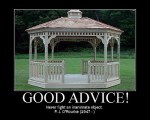
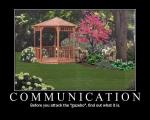
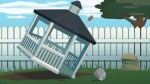
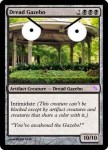
The “Dread Gazebo” is one of those inside jokes that everybody in the D&D/RPG community is supposed to know, but that makes it really hard to actually learn. Everyone references it, but nobody actually tells the original story. I played D&D for years before I got up the nerve to ask why everyone made jokes about gazebos.

















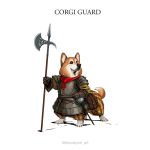
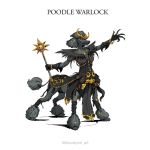
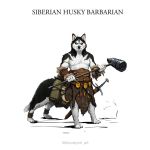







 Steel Phoenix Studios