It’s about time someone got around to uncovering all the cheat codes for this “human being” software. It’s only been out for like 10,000 years.
?????????????
I’ve used this technique for about a year, and I can safely say that it has efficiently transformed my sleeping habits from several hours of struggle to fall asleep, to passing out in a matter of minutes.
It’s a form of Alexander Technique. It’s a technique that was designed for actors to keep their body in ready working condition and give it the best way to perform. This is the method used to calm, and center the body. Once the body is at that point it can perform anything you want it to.
Reblogging for later reference after I tried it earlier today to try to calm down. It actually does help a lot, not just for sleep but if you have problems with anxiety.
My default mental setting is “vibrating intensely in the background.” After doing this, I felt noticeably calm and relaxed – I wasn’t as fixated on my breathing, I wasn’t tense, my movements weren’t jerky and I didn’t feel like I had to be as tense as possible to be under control. 10/10 would recommend.
me gonna try it
dont wanna reblog but insomnia is a bitch for some ppl so heres for my mutuals having trouble sleeping.
A temperature chart for my fellow Americans who can’t do the Celsius-Fahrenheit equation from memory and for people in the civilized countries who’re too busy making fun of Fahrenheit to do the conversions themselves.
I’ve been making jewelry for a number of years now. Pretty early on I was directed to a company called Fire Mountain Gems as a potential supplier. They sent a copy of their catalog with my first order, which introduced me to a *lot* of stones I’d never heard of… more than a few of which had trade names.
Now, understand, humanity has only relatively recently become fussy about how accurately they name their stones. For a big stretch of history, if it was reasonably hard and red OR dark red OR black with red highlights when you tilted it right, they’d probably call it a ruby. (Example: the Black Prince’s Ruby in the state crown of England, which is a completely different gemstone called a spinel, but they named it before the 1780s which is when we started being able to actually identify rubies as rubies. So… yeah.) Some kinds of gem have had lots and lots of different names all historically referring to the same stone. It makes for interesting reading of historic accounts of this or that piece of jewelry. I can excuse it, it was the past, really formal gemology is only a moderately recent thing.
But these days I go to the store and I see yellow gemmy-looking beads hanging on the rack, and I look at the sticker, and it says ‘yellow jade’, only the price is way less than that much actual jade would cost online. Or I go to look for smaller beads to match a few pieces of actual turquoise that I have on hand, and I realize that I have no idea whether African turquoise is actually turquoise or not. It gets… irritating. I want to actually know what the hell I’m paying for and whether it’s hard enough to risk putting it in a bracelet or ring, or whether it’s a softer stone that should be kept in earrings and necklaces, away from possible scratching or impact. If you’re buying jewelry, or if you’re looking for stones for jewelry work, or if you’re someone who believes in the metaphysical properties of stones and crystals, you’re going to want an accurate understanding of whatever it is you’ve got in front of you, right? Right.
So, yeah. Here’s a few of the trade names I’ve been stumbling over since I got started in jewelry making.
New jade – This is serpentine. It’s a pretty rock but it’s not jadeite or nephrite; it’s not actually jade. Serpentine’s way common, since it’s basically a form of one of the most common minerals in the earth’s crust.
Ching Hai jade – Dolomite plus a couple of other minerals. Pretty, but not jade. Let me put it like this: on the Mohs scale of mineral hardness, nephrite jade is 6 to 6.5 and jadeite is 6.5 to 7. Ching Hai jade is 3.5 to 4. This stuff is softer than the outer coating of human teeth (Mohs 5, same as a basic knife blade and most kinds of everyday glass). You want a stone you can put in a ring where it’ll get whacked or bounced off hard surfaces or otherwise stand a chance of impact, you’re gonna want real jade. Ching Hai jade will get scratched clear to kingdom come with a Mohs score like that.
Yellow jade – It’s quartz. Nephrite jade comes in a lot of colors including yellow, but if they’ve labeled it ‘yellow jade’ rather than saying ‘jade’ or ‘nephrite jade’ then it’s quartz. Same deal for ‘golden jade’.
Malaysia jade – Also quartz.
African jade – yep, still quartz.
Black jade – Both nephrite and jadeite come in black forms, but if a stone is being sold with the name ‘black jade’, it’s 90% likely to be serpentine. Actual jade gets labeled as jadeite or nephrite. I don’t do metaphysical stone foo, but man, if you’re buying a stone because you want to use its mojo, seems to me you’d want to get the actual stone associated with what you’re trying to do, not a stone that’s the same color and level of shiny.
Peace jade – Serpentine plus white quartz. I don’t even know where they came up with this name. It’s pretty but it’s jade the way a pommel horse is a horse.
Yellow turquoise – Serpentine again. Or rather, serpentine and quartz. At least this stuff comes from the same mines as turquoise.
African turquoise – Jasper. It’s turquoise colored, but it’s actually harder than real turquoise, for whatever that’s worth.
Italian onyx – They also call this one onyx marble. It’s a kind of calcite. Takes dye really well so they use it in different color forms.
African bloodstone / Indian bloodstone – Legit name for the actual stone, for once! These are both names for the same thing. They also call it heliotrope. So any of those names all refer to the same thing.
Tigerskin jasper – And we’re back to the malarkey; this is limestone. With pretty stripes, but seriously, it’s not even jasper and jasper gets used as a substitute for other stones so wtf.
Aqua terra jasper – Onyx marble. They also call it impression stone, but it’s marble, and it’s on the soft side as stones go. Marble’s around Mohs 3 on a good day. That’s another stone you can scratch with your teeth.
Green Earth jasper – NOPE. Serpentine. Sorry.
Peridot jasper – Serpentine. Seriously, do you have any idea how many stones with pretty pretty names are actually just pretty pretty names for different colors of serpentine?
Zebra jasper – onyx marble.
Chinese chrysoprase- Oh look it’s serpentine again
Lemon chrysoprase – This is magnesite. Not dyed, which is a little unusual. Magnesite takes dye really well and gets sold in a lot of colors as a substitute for other stones. Selling it as lemon chrysoprase means someone managed to get hold of a yellowish color of the stuff.
Mosaic turquoise – If it’s labeled mosaic anything, it’s almost always fragments of a stone bound together with resin, and probably not even the stone it claims to be. Mosaic turquoise is ittybitty chips of magnesite that’s been dyed to match turquoise color, then stabilized together as a single piece. It’s not even close to being turquoise.
Green opal – okay, quick lesson: there are different kinds of opal, and not all of them have the flashy color changing fire you get with precious stones like Welo opal or Australian opal. Mexican fire opal and Oregon fire opal are good examples of other forms. The actual stone we call opal is a specific kind of silica with a certain level of water content, not just the pretty flashiness. And opals of both the flashy kind and the non-flashy kind do come in green. But if they’re selling it as ‘green opal’, they are selling you chalcedony. Chemically similar, but not as pretty, and a distinctly harder stone.
Red malachite – This is marble. They find marble with banding that resembles malachite banding and they cut it and polish it to look like malachite, just in a different color. Malachite is green; this isn’t even a thing like jade coming in different colors. There isn’t actual red malachite.
Opaline – this isn’t even a stone. This is glass. Same deal with ‘sea opal’. Sorry. Sometimes they sell chalcedony as opaline but whatever it is you’ve found it’s not opal.
Fused quartz – Glass. This is glass. Fancypants glass, but it’s glass.
Goldstone, or blue goldstone: Also glass. With bits of copper in it to produce really nice sparkly effects, but it’s still a kind of glass.
Sand stone or blue sand stone: I only found out recently that some people sell goldstone as ‘sandstone’, so… this one’s glass too. Actual sandstone is a sorta brown sedimentary rock.
Black moss quartz – This is glass. Worth noting, there’s a vaguely similar product out there called rutilated quartz. That’s actual quartz with spindly intrusions of a different mineral, rutile. Difference is, the quartz has a Mohs hardness of 7 and will scratch the ‘black moss quartz’s’ soft bitch ass six ways from Sunday as a result.
Fordite – This is paint. Fordite is automotive enamel that’s dripped onto the same spot on factory floors for so many years that it’s built up to the point where it can be cut and polished and made into jewelry elements. Unlike a lot of trade names, this one isn’t a form of bullshit to pass one thing off as another. People who go looking for fordite are specifically looking for gemstone quality layered automobile paint. Sometimes they call it Detroit agate or motor agate, but that’s more of a joke than an attempt to sell the stuff to people looking for actual agate. I can live with this trade name.
Rainbow calsilica: Apparently there’s just a huge amount of argument about this and some people say ‘this is natural and we found it and it’s got pretty pretty stripes of all different colors just naturally and it’s a totally awesome metaphysical marvel of a totally natural gemstone’, but the Journal of the Gemological Institute of America says ’dude, you powdered carbonated rock and added paint and stabilized it with resin, wtf’. So yeah, be warned. I mean, it’s pretty and all, and you’ll probably pay way less for it than for chrysocolla (a natural stone with somewhat similar striping), but… be aware it’s probably something a guy in a factory or a lab put together, okay?
And citrine: Okay, this isn’t exactly a case of trade name bullshittery, but, uh. Natural citrine is stupid rare. Most citrine these days used to be amethyst. Take a crappy piece of amethyst with faint color or gray tones and heat the hell out of it long enough, and it turns yellow, and you can legally sell it as citrine. If you’ve got citrine crystals and the yellow color is most intense up in the tips, you’ve almost certainly got former amethyst there. Fair warning.
So… yeah. Lot of trade names out there. Some of them total bupkis. Some only partly so. Heads up, and if you’re in the market for a gem or a crystal or something like that, do yourself a favor and look up the name somewhere reliable first just so you know what you’re buying.
How can they sell the heated amethyst as citrine? Is that not false advertisement?
Thank you for taking the time to type this up, op.
@deadcatwithaflamethrower I hope I’m not clogging your notifications but this might be relevant for the shinies?
If you hang out in gemstone-land long enough, you quickly figure out that shit is sour when it comes to naming. Calling something a “Brazilian” gemstone has pretty much become synonymous with “Not really that stone, but eh, close enough.” Agate has also become a fairly well-known term for, “We don’t actually know what tf this is, but it’s pretty!”
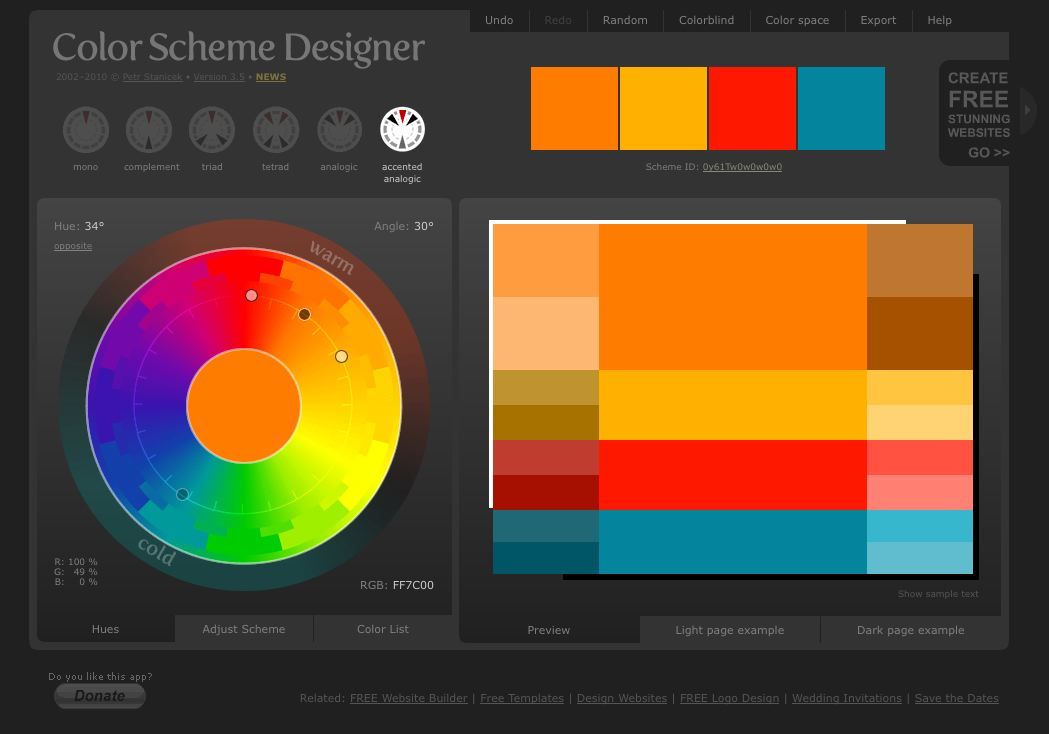
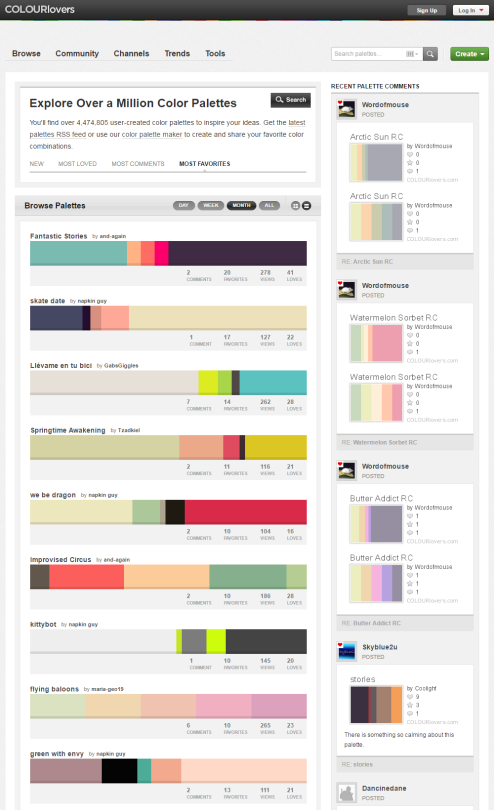
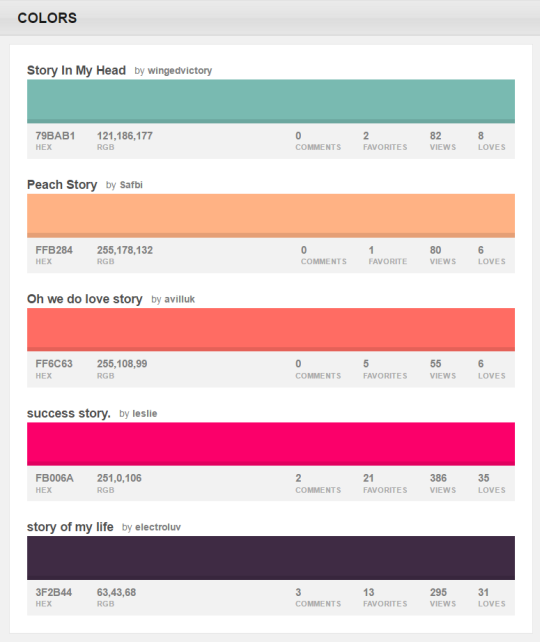
You can browse the most popular ones or search for certain colors, themes, and even specific hex codes!
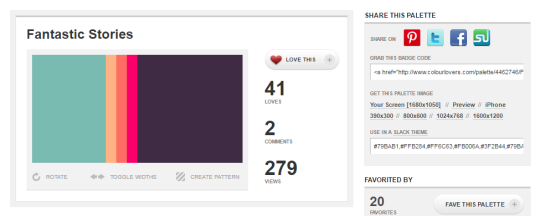
When you find one you like, you can download a wallpaper swatch of it and also select the specific colors it uses to look at more palettes that use those same ones.
So it’s Flu Season again, and this recipe for Tea To Fix What Ails You was given to me by a Christian friend, and I’ve taken to calling it JESUS TEA due to it’s miraculous properties. Even though it, technically, contains no tea. This tea is as caffinie-free as anything processed in a US plant can get, but be sure to check the provenance and all ingredients in case of allergies.
You will Need:
A Bigass Pot, becuase this is something you make in large quantities
working stovetop
those lil cloth sachets you use for wassail/empty teabags/those lil reuseable loose-leaf tea steepers.
Recipe:
about a quart of water
1 cup apple cider
about half a lemon’s worth of juice
a shitwhack of honey- try to get as local as possible and generally the less-processed the better if you want to build a resistance to local allergens. If you have allergy concerns or don’t like the taste of honey, go ahead and use more processed stuff/another sweetener instead.
three tablespoons/three bags chamomile tea
three tablespoons/three bags rooibos tea
teaspoon crushed cloves
1 cinnamon stick (more if you like it spicier)
¼ tsp nutmeg
1/8 tsp cayenne or white pepper
Bring water to a simmer in the pot. Add the chamomile, rooibos and spices to steep about 4-5 minutes or longer if you like tea-flavored tar which given you have the flu you probably do. Add Cider, Lemon Juice and Honey until dissolved. Drink all of this in the course of an hour to stay hydrated, make more pots as needed or until you pass out.
FOR MAXIMUM EFFECTIVENESS: gargle warm salt water first for as long as you can, it’ll break up the mucus in your throat and soothe the soreness.
This stuff is hecking delicious, and my dad claims it cured his cold. I’ve taken to drinking it just because it tastes good! Thank you for sharing! 😀 I also found that you can freeze this stuff in convenient single serving sizes, ready to be heated in the microwave when you don’t have enough spoons to make it fresh. Granted fresh is usually best for most food and drinks, but it’s still good.
I also calculated a single serving version, which I’m putting here in case anyone wants to make it that way:
1 cup hot water
¼ cup apple cider (or more, I prefer 1/3 cup)
1 tbsp honey (or more, to taste)
a dash of lemon juice
½ tsp spice mixture
1 ½ tbsp tea mixture
Mix the spices together in one container, and mix the two kinds of tea together in another. Measure out of these the above amounts. (Don’t try to store the two things together, the spices will sink to the bottom and you won’t get the right measurements.)
Use a tea infuser/tea bag/cheesecloth/whatever to keep the herb bits from floating off into your drink. Steep for the usual 4-5 minutes, then add the cider, honey, and lemon.
Side note: ground cloves is cheaper for me so I use ½ tsp of
that instead of 1 of whole. I also like cinnamon a lot so I use ¼ tsp
ground cinnamon instead of a stick (also sticks are really expensive here). If you use a stick, break it into
little pieces. The downside of ground cinnamon is that it
kind of congeals if you don’t stir it periodically, so keep a spoon
handy as you drink.
Since people have been asking for this (I guess the flu/common cold is going around agian), have it again, NOW WITH SINGLE SERVING SIZE, THANK YOU @snowfox102 for doing the math for me!
Is it possible to substitute the chamomile for something else?
Pretty much any herbal tea but mint will work? Rose hip’s good, or you can just double the rooibos. You can even put in black or green tea. I don’t becuase those both have caffiene and I want to be awake as little as possible when I’m sick.
What the absolute fuck is a shitwack of honey?
Once tea tarts cooling down* start adding honey. Keep adding honey. Your significant other or parents will notice and ask “Isn’t that enough honey?” “No.” You rasp, throat raw. “I need the magic bug juice too heal me.” “I think we should check your fever again.” they say. “When I’m fucking done.” You rasp, sounding like gollum with a four-packs-a-day habit. Eventually, there will be enough.
that, is a “Shitwhack”
*boiling honey gets rid of 90% of it’s goodness, so let the tea cool down to drinking temp before adding honey.
Just here to remind you to get your flu shot. And tea is not a substitution for antivirals if you do get the flu.
You are completely right! Jesus Tea will only help soothe your suffering, not prevent infection. Also Influenza is hella dangerous and DOES kill people, so get vaccinated for your safety and the safety of your immunocompromised friends!
The menthol in mint tastes REALLY weird with the other ingredients, that’s all. Like drinking OJ after brushing your teeth.
Some other repeat questions:
-If you don’t hvae acess to Cider, regular Apple Juice works just fine, just check the nutritional information to make sure it’s the 100% DV vitamin C stuff, we want you you feel better ASAP. If you like OJ, that can work too.
-Honey is in here specifically for it’s antibacterial and allergy-reliveing properties, and fruit-based honey substitutes will NOT give you the same benefits.
-If you can’t do honey for whatever reason, sub in your favorite non-sugar sweetener because Sugar/fructose/sucrose/agave will mess with the ability fo your throat cells to retain/release water and make your throat feel WAAAAAAY worse. Aspartame, Saccharin and Stevia won’t aggravate you throat much.
-If you can’t have chamomile, pretty much any Herbal Tea or Tisane will work, as will green tea. The exception is anything that contains St. John’s Wort, which interacts dangerously with pseudoephedrine andacetaminophen, whic are in basically every cold medication available without a perscription in the US.
-If you don’t want roobois, any dark and spicy kind of tea will work- rose hip, most black teas, etc.
-I tend to reccomend against anythign that has caffine becuase being concious with the flu is awful and you need to sleep as much as possible.
-If you don’t like any of the spices, feel free to sub them for something else! The point of those is to add a bit of heat/pepperiness to the tea to help unclog sinuses. If you’re a heat fiend like some of my friends, you can put sriracha in there if you want.
-THE SALT RINSE BEFOREHAND IS KEY. gargling with lukewarm saltwater or using a saline rinse will flush out congestion and help the Jesus Tea work it’s magic more effectively.
To Reiterate: Jesus Tea will only make you feel slightly less miserable and it not a substitute for medical care. Get vaccinated early and often, and if you develop a high fever or other medically worrisome symptoms, get to a healthcare professional ASAP.
I’m rebloging this solely for the measurements. A shitwhack of honey
It’s that time of Year again! Reblogging this long version with additonal NoteS:
Where I come from in the US, “Apple Cider” referes to the cloudy brown JUICE you can get in the fall, and is most reccomended because it tends to have the most Vitamin C and Trace minerals. Don’t drink alcohol while you are sick- your liver is already working overtime and alcohol can interact dangerously with cold meds.
GET VACCINATED ASAP!!! PROTECT YOURSELF AND YOUR FRIENDS!!!
If you are sick for more than 7 days or develop a fever over 100 degrees, please see a doctor immediately. Influenza is still a very dangerous virus.
The version I know is called Satan Tea: quarter cup of cider vinegar, teaspoons of crushed garlic and ginger (you know, the ‘ready to cook’ stuff), couple of teaspoons of chilli sauce, hot water, add honey. Tastes like you just gargled Satan’s ballsack, but the water vapourises everything and gets all the good antibacterial stuff it into your sinuses and lungs. You will feel less runny/stuffed up without your throat being dry. For extra regret/effectiveness, add a powdered lemsip sachet. You may also decide to get better just to avoid it – I theorise that was the original intent behind it.
Rejoice fellow uni students looking for some studyspo, we urge you to take a few free lessons, as well as academic lessons provided from actual universities on several topics. Have a look at the 50 top learning sites you can find online to help you save some time.
Art and Music
Dave Conservatoire — Dave Conservatoire is an entirely free online music school offering a self-proclaimed “world-class music education for everyone,” and providing video lessons and practice tests.
Drawspace — If you want to learn to draw or improve your technique, Drawspace has free and paid self-study as well as interactive, instructor-led lessons.
Justin Guitar — The Justin Guitar site boasts over 800 free guitar lessons which cover transcribing, scales, arpeggios, ear training, chords, recording tech and guitar gear, and also offers a variety of premium paid mobile apps and content (books/ ebooks, DVDs, downloads).
Math, Data Science and Engineering
Codecademy— Codecademy offers data science and software programming (mostly Web-related) courses for various ages groups, with an in-browser coding console for some offerings.
Stanford Engineering Everywhere — SEE/ Stanford Engineering Everywhere houses engineering (software and otherwise) classes that are free to students and educators, with materials that include course syllabi, lecture videos, homework, exams and more.
Big Data University — Big Data University covers Big Data analysis and data science via free and paid courses developed by teachers and professionals.
Better Explained — BetterExplained offers a big-picture-first approach to learning mathematics — often with visual explanations — whether for high school algebra or college-level calculus, statistics and other related topics.
Design, Web Design/ Development
HOW Design University — How Design University (How U) offers free and paid online lessons on graphic and interactive design, and has opportunities for those who would like to teach.
HTML Dog — HTML Dog is specifically focused on Web development tutorials for HTML, CSS and JavaScript coding skills.
Skillcrush — Skillcrush offers professional web design and development courses aimed at one who is interested in the field, regardless of their background — with short, easy-to-consume modules and a 3-month Career Blueprints to help students focus on their career priorities.
Hack Design — Hack Design, with the help of several dozen designers around the world, has put together a lesson plan of 50 units (each with one or more articles and/or videos) on design for Web, mobile apps and more by curating multiple valuable sources (blogs, books, games, videos, and tutorials) — all free of charge.
General – Children and Adults
Scratch – Imagine, Program, Share — Scratch from MIT is a causal creative learning site for children, which has projects that range from the solar system to paper planes to music synths and more.
Udemy— Udemy hosts mostly paid video tutorials in a wide range of general topics including personal development, design, marketing, lifestyle, photography, software, health, music, language, and more.
E-learning for kids — E-learning for Kids offers elementary school courses for children ages 5-12 that cover curriculum topic including math, science, computer, environment, health, language, life skills and others.
Ed2go — Ed2go aims their “affordable” online learning courses at adults, and partners with over 2,100 colleges and universities to offer this virtual but instructor-led training in multiple categories — with options for instructors who would like to participate.
GCF Learn Free — GCFLearnFree.org is a project of Goodwill Community Foundation and Goodwill Industries, targeting anyone look for modern skills, offering over 1,000 lessons and 125 tutorials available online at anytime, covering technology, computer software, reading, math, work and career and more.
Stack Exchange — StackExchange is one of several dozen Q+A sites covering multiple topics, including Stack Overflow, which is related to computer technology. Ask a targeted question, get answers from professional and enthusiast peers to improve what you already know about a topic.
HippoCampus — HippoCampus combines free video collections on 13 middle school through college subjects from NROC Project, STEMbite, Khan Academy, NM State Learning Games Lab and more, with free accounts for teachers.
Howcast— Howcast hosts casual video tutorials covering general topics on lifestyle, crafts, cooking, entertainment and more.
Memrise — Lessons on the Memrise (sounds like “memorize”) site include languages and other topics, and are presented on the principle that knowledge can be learned with gamification techniques, which reinforce concepts.
SchoolTube — SchoolTube is a video sharing platform for K-12 students and their educators, with registered users representing over 50,000 schools and a site offering of over half a million videos.
Instructables — Instructables is a hybrid learning site, offering free online text and video how-to instructions for mostly physical DIY (do-it-yourself) projects that cover various hands-on crafts, technology, recipes, game play accessories and more. (Costs lie in project materials only.)
creativeLIVE — CreativeLive has an interesting approach to workshops on creative and lifestyle topics (photography, art, music, design, people skills, entreprenurship, etc.), with live access typically offered free and on-demand access requiring purchase.
Do It Yourself— Do It Yourself (DIY) focuses on how-tos primarily for home improvement, with the occasional tips on lifestyle and crafts topics.
Adafruit Learning System — If you’re hooked by the Maker movement and want to learn how to make Arduino-based electronic gadgets, check out the free tutorials at Adafruit Learn site — and buy the necessary electronics kits and supplies from the main site.
Grovo — If you need to learn how to efficiently use a variety of Web applications for work, Grovo has paid (subscription, with free intros) video tutorials on best practices for hundreds of Web sites.
General College and University
edX — The edX site offers free subject matter from top universities, colleges and schools from around the world, including MIT and Harvard, and many courses are “verified,” offering a certificate of completion for a nominal minimum fee.
Cousera— Coursera is a learning site offering courses (free for audit) from over 100 partners — top universities from over 20 countries, as well as non-university partners — with verified certificates as a paid option, plus specializations, which group related courses together in a recommended sequence.
MIT Open Courseware— MIT OpenCourseWare is the project that started the OCW / Open Education Consortium [http://www.oeconsortium.org], launching in 2002 with the full content of 50 real MIT courses available online, and later including most of the MIT course curriculum — all for free — with hundreds of higher ed institutions joining in with their own OCW course materials later.
Open Yale Courses — Open Yale Courses (OYC) are free, open access, non-credit introductory courses recorded in Yale College’s classroom and available online in a number of digital formats.
Open Learning Initiative — Carnegie Mellon University’s (CMU’s) Open Learning Initiative (OLI) is course content (many open and free) intended for both students who want to learn and teachers/ institutions requiring teaching materials.
Khan Academy — Khan Academy is one of the early online learning sites, offering free learning resources for all ages on many subjects, and free tools for teachers and parents to monitor progress and coach students.
MIT Video— MITVideo offers over 12,000 talks/ lecture videos in over 100 channels that include math, architecture and planning, arts, chemistry, biological engineering, robotics, humanities and social sciences, physics and more.
Stanford Online — Stanford Online is a collection of free courses billed as “for anyone, anywhere, anytime” and which includes a wide array of topics that include human rights, language, writing, economics, statistics, physics, engineering, software, chemistry, and more.
Harvard Extension School: Open Learning Initiative — Harvard’s OLI (Open Learning Initiative) offers a selection of free video courses (taken from the edX selection) for the general public that covers a range of typical college topics, includings, Arts, History, Math, Statistics, Computer Science, and more.
Canvas Network — Canvas Network offers mostly free online courses source from numerous colleges and universities, with instructor-led video and text content and certificate options for select programs.
Quantum Physics Made Relatively Simple — Quantum Physics Made Relatively Simple” is, as the name implies, a set of just three lectures (plus intro) very specifically about Quantum Physics, form three presentations given by theoretical physicist Hans Bethe.
Open UW — Open UW is the umbrella initiative of several free online learning projects from the University of Washington, offered by their UW Online division, and including Coursera, edX and other channels.
UC San Diego Podcast Lectures — Podcast USCD, from UC San Diego, is a collection of audio and/or video podcasts of multi-subject university course lectures — some freely available, other only accessible by registered students.
University of the People— University of the People offers tuition-free online courses, with relatively small fees required only for certified degree programs (exam and processing fees).
NovoEd— NovoEd claims a range of mostly free “courses from thought leaders and distinguished professors from top universities,” and makes it possible for today’s participants to be tomorrow’s mentors in future courses.
IT and Software Development
Udacity — Udacity offers courses with paid certification and nanodegrees — with emphasis on skills desired by tech companies in Silicon Valley — mostly based on a monthly subscription, with access to course materials (print, videos) available for free.
Apple Developer Site — Apple Developer Center may be very specific in topics for lessons, but it’s a free source of documentation and tutorials for software developers who want to develop apps for iOS Mobile, Mac OS X desktop, and Safari Web apps.
Google Code— As with Apple Developer Center, Google Code is topic-narrow but a good source of documentation and tutorials for Android app development.
Code.org — Code.org is the home of the “Hour of Code” campaign, which is aimed at teachers and educators as well as students of all ages (4-104) who want to teach or learn, respectively, computer programming and do not know where to start.
Mozilla Developer Network— MDN (Mozilla Developer Network) offers learning resources — including links to offsite guides — and tutorials for Web development in HTML, CSS and JavaScript — whether you’re a beginner or an expert, and even if you’re not using Mozilla’s Firefox Web browser.
Learnable — Learnable by Sitepoint offers paid subscription access to an ebook library of content for computers and tablets, and nearly 5,000 videos lessons (and associated code samples) covering software-related topics – with quizzes and certification available.
Pluralsight— Pluralsight (previously PeepCode) offers paid tech and creative training content (over 3,700 courses and 130K video clips) for individuals, businesses and institutions that covers IT admin, programming, Web development, data visualization — as well as game design, 3D animation, and video editing through a partnership with Digital-Tutors.com, and additional software coding lessons through Codeschool.com.
CodeHS — CodeSchool offers software coding lessons (by subscription) for individuals who want to learn at home, or for students learning in a high school teacher-led class.
Aquent Gymnasium— Gymnasium offers a small but thorough set of free Web-related lesson plans for coding, design and user experience, but filters access by assessing the current knowledge of an enrollee and allows those with scores of at least 70% to continue.
You’re never too old (or too young!) to learn something new!
A research tip from a friendly neighborhood librarian!
I want to introduce you to the wonderful world of subject librarians and Libguides.
I’m sure it’s common knowledge that scholars and writers have academic specialties. The same is true for subject librarians! Most libraries use a tool called Libguides to amass and describe resources on a given topic, course, work, person, etc. (I use them for everything. All hail Libguides.) These resources can include: print and ebooks, databases, journals, full-text collections, films/video, leading scholars, data visualizations, recommended search terms, archival collections, digital collections, reliable web resources, oral histories, and professional organizations.
So, consider that somewhere out there in the world, there may be a librarian with a subject specialty on the topic you’re writing on, and this librarian may have made a libguide for it.
Because you’re searching library collections, you won’t have access to all the content in the guides, and there will probably be some link rot (dead links), but you can still request resources through your own library with interlibrary loan, or even request that your library purchase the resources! Even without the possibility of full-text access, libguides can give you the words, works, people, sites, and collections to improve your research.
Search [your topic] + libguide and see what you get!
This is…amazing. I am angry that I didn’t know about this until now. Now I can ~academically~ indulge my fascination with the 1918 flu pandemic? When I have organic chem homework and a lab report due tomorrow? I both love this and hate this.
Just a quick thing I put together. This blew my fucking MIND when my anatomy teacher pointed it out. My drawings instantly got better. You might know it (good for you, I wish I knew it before too T_T) or you might not and it might help you get better.
Reblogging a potentially useful tutorial people might be interested in :3