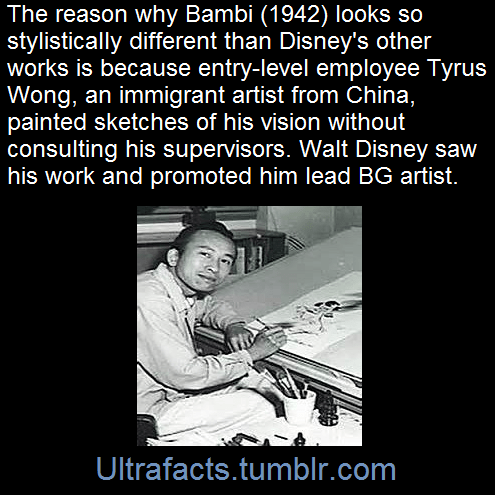
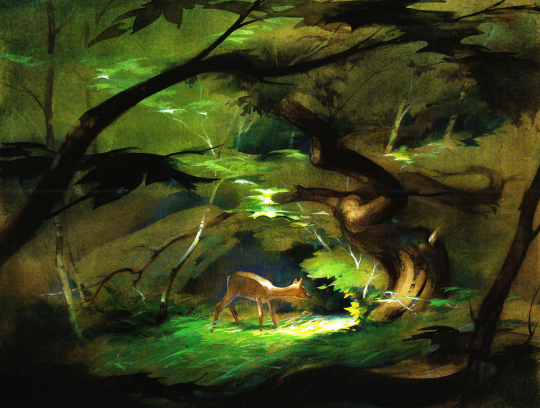
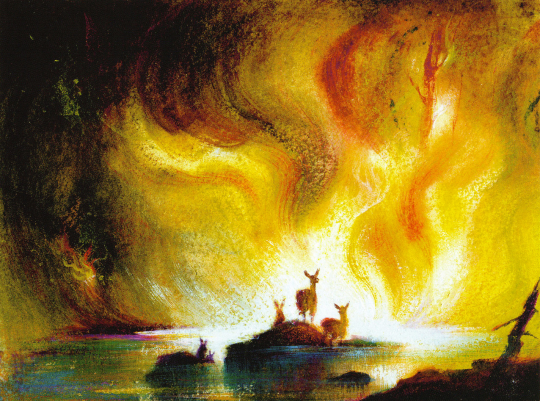
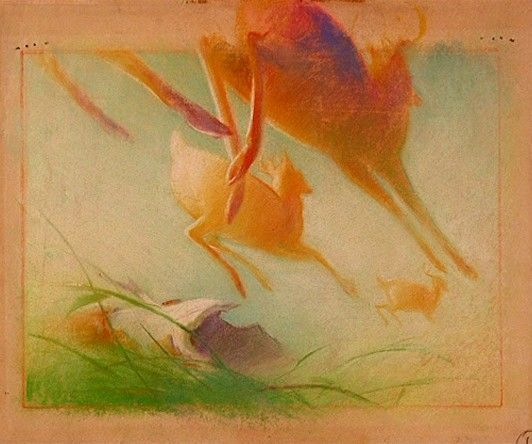
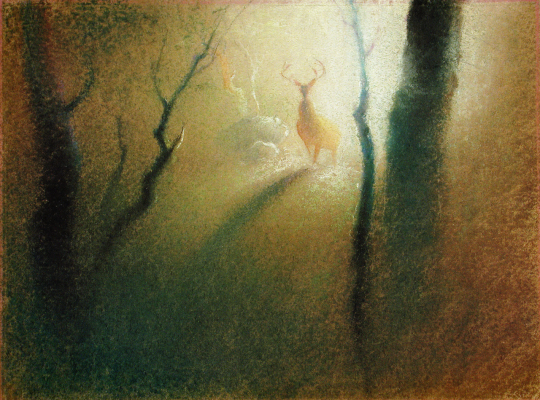
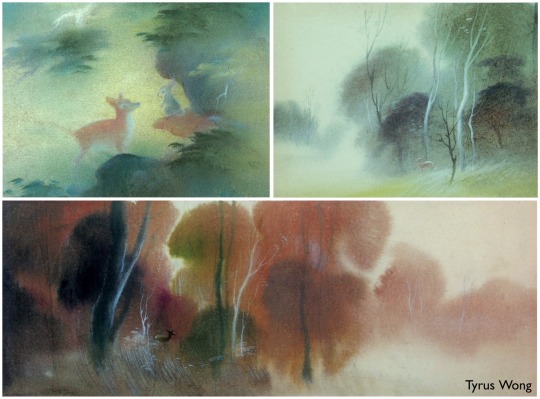
He was a young artist employed by the Disney studio, but tasked with the entry-level job of finishing off the work of the animators and crafting the “in-between” animations that completed the characters’ movements. Wong had learned that studio executives were creating a film from the new novel, Bambi, A Life in the Woods by Felix Salten. Tom says the young artist read the book and without consulting his supervisor, “took the script and painted some visual concepts to set the mood, color and the design.”
His sketches recalled the lush mountain and forest scenes of Sung dynasty landscape paintings. His initiative paid off. Walt Disney, who was looking for something new for the film, was captivated and personally directed that Wong be promoted. Today, top animators and illustrators revere Wong’s work. Children today are as enchanted by the misty, lyrical brushstrokes of Wong’s colorful nature scenes, inspired by his training at Otis College of Art and self-study of Sung Dynasty art
THIS GUY HELPED MAKE THE FILM THAT MADE ME WANT TO BE A FILMMAKER AND *HE IS STILL ALIVE*
AAAAAAAAAAAAAH
I met him at a gallery event a number of years ago and, UGH HE IS SO TALENTED AND SO KIND AND ENCOURAGING THERE IS A REASON WE ALL LOVE HIM. Also, my alma.
GUYS WTF IS THIS CRAZY TALENTED GUY- HE MAKES KITES TO WOW JUST WOW
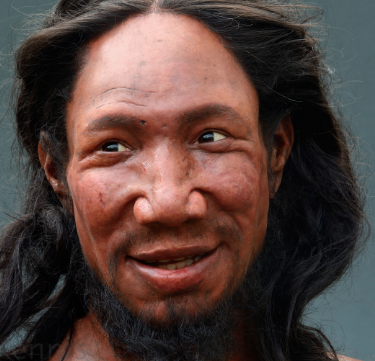
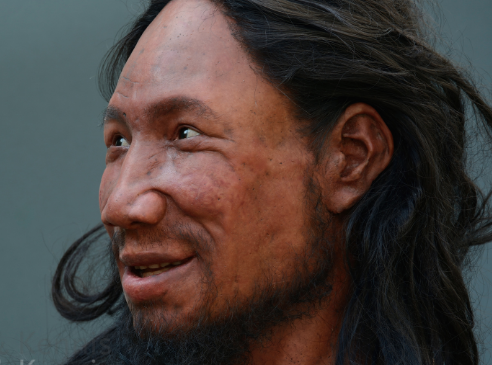
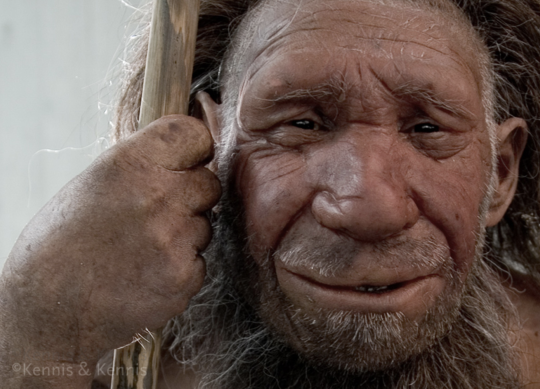
it’s facial reconstructions of prehistoric humans!!
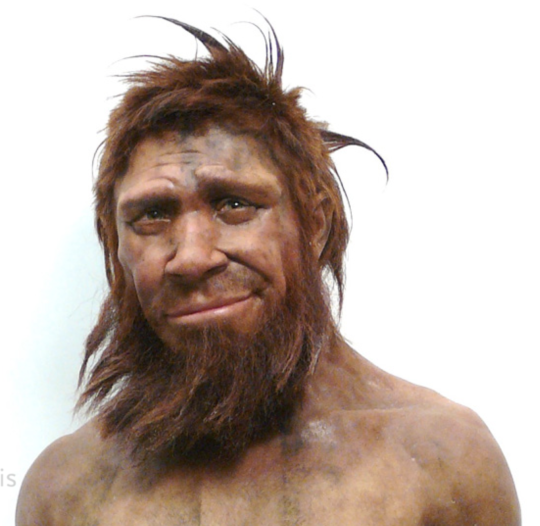
like, look at this part-homo sapiens, part-neandertal man from well over 30,000 years ago:
doesn’t he just look like a dude you’d wanna hang out with? like he probably washes dishes in the kitchen with you, and has excellent weed
what a charming fellow. what stories he probably has to tell. i’d definitely go shoot the shit with him on Contemplation Rock after i’d finished my day’s work carving a bone flute for the autumn hunting ceremony, or whatever
people have been people ever since people first became people, i tell you what
they all had lives and histories and families and friends and dumb gossip and games they played and total bullshit in which they believed wholeheartedly
they all argued about the nature of the world, and of themselves
they all sang songs
they all drew pictures
they all buried their dead in graves, and they buried their dead in graves well before they did a lot of that other stuff. they buried their dead with flowers, with panther claws, with the bones of animals they’d killed, with the bones of family members who had died at the same time or earlier. they buried their dead with their arms folded across their chests
they fell in love
they took care of their old and their sick and their disabled, even when it cost them
they made new things, and worried about what the new things meant for people everywhere, as a whole
Oh I like him he looks like he would appreciate my jokes
This dude would have great stories at a get-together and would bring some really great homemade dip.
I feel like he really digs Lo-Fi Music
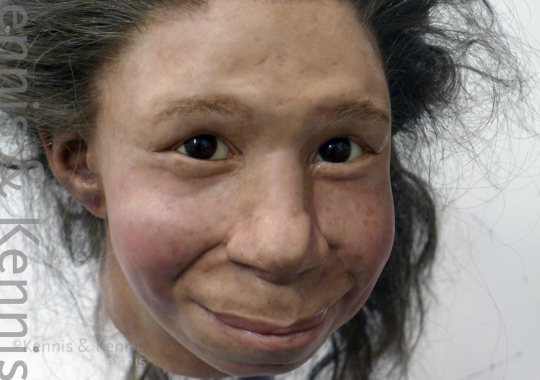
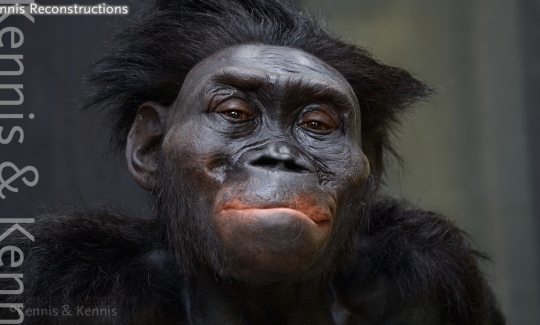
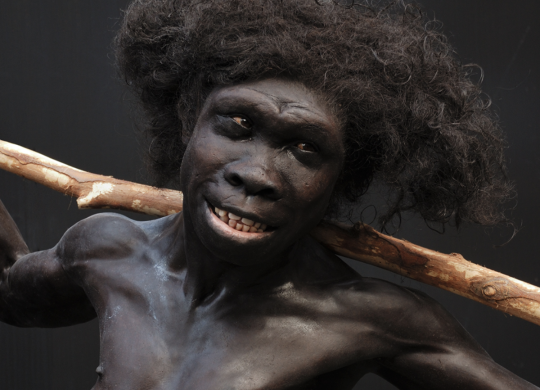
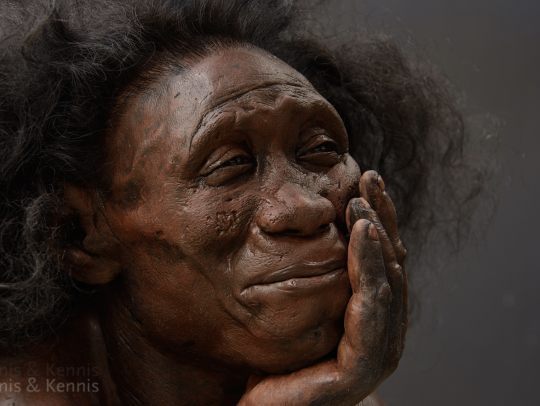
This guy was sculpted by Alfons and Adrie Kennis, and their Neanderthal reconstructions are all delightful.
I love the kid in the last picture a lot- they look like a kid, just a little kid who’s done some mischief and is trying not to laugh about it.
I also adore their Lucy- they’ve struck a wonderful balance between the falling angel and the rising ape.
And their Turkana boy- there’s something precious and wistful in those eyes.
But my favorite has got to be their reconstruction of H. floresiensis.
Just look at her. That’s a face of someone who’s lived and seen a lot, but also a face that’s known love and joy and laughter. That’s a face with a soul.
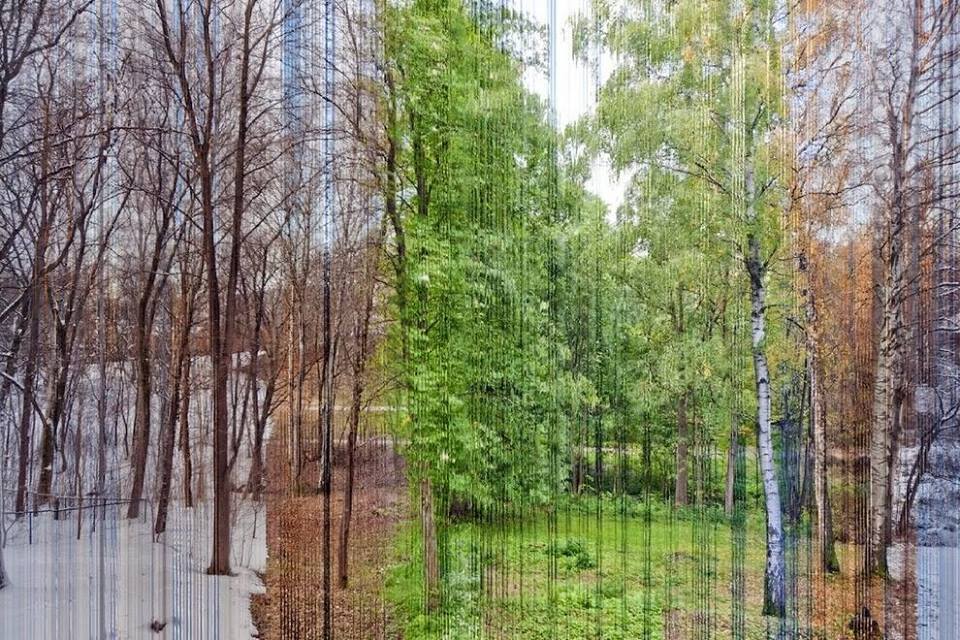
This awesome image consists of 3,888 photos taken from the same vantage point in Oslo, Norway, for a whole year.
The images are stitched together, with each photo contained in a column only a pixel wide. In terms of calendar months, January is to the left and December to the right.
One of my absolute favourite concepts Vedic Sanskrit has introduced me to is the comparison by negation – basically, instead of being introduced by a comparative preposition such as like or as, the compared noun (phrase) is simply negated.
For example, “She, like a wolf, hunted them all down,” is instead “She, not a wolf, hunted them all down” (but in the former meaning).
An example from Rigveda: the Hymn to the Goddess of Night (RV X.127 Rā́trī), verse 4, lines 2 and 3:
नि ते यामन्नविक्ष्महि । वृक्षे न वसतिँ वयः ॥
ní te yā́mann_ávikṣmahi down into [our] homes we retired, vr̥kṣé ná vasatím̐ váyaḥnot birds to [their] nests on trees
(→supply like for not for an accurate translation)
The principle being that the comparison is invoked by the mere presence of the noun (phrase) the original thing is compared to, while the negation reinforces the mere comparison as opposed to it being actually real, thus “She, not [literally, but figuratively] a wolf, hunted them all down.”


























 Steel Phoenix Studios