Working as a veterinarian means you end up doing a lot of work with people. This gives you a lot of opportunity for people watching, and you notice patterns of behaviour. This is useful because it helps you realise what these clients need, but don’t want to ask you.
I’ve noticed that when people start to tell you about their pet’s life story, particularly their origin story, they’re already grappling with the idea that they’re about to lose their pet, even if they don’t know it yet. It’s like they know they’re about to be devastated, it’s a fast attempt to make me, the veterinarian, understand why their pet in particular is so very special to them. It’s a cry for validation that the grief that is about to wash over them is valid and justified.
I already know their grief is real and justified, even if it’s the first time I’ve met the animal and family. You can see it. It might be the family pet, but most of the time that pet has one special human that is their favourite, one human that loves them just a little bit more than the others, and I can see it on their faces.
The origin stories are all the same, and all unique.
“He was the runt of the litter and had to be put on a table so the other pups would stop bullying him while I was there. I went back and had to have him.”
“She was my daughter’s dog, but we started dog sitting when she had her first baby and then she just never left.”
“I’ve had him since he was three weeks old, a tiny scrap of fluff we found under the tomato bush and bottle fed.”
“The cat just walked into our new house like she owned the place, terrorised the dog and never wanted to leave.”
“She had kittens under the chair on my veranda, so I took her inside to make her comfortable.”
They’re all heartfelt stories of beautiful, ordinary moments that make life special, but they’re always told around the time of euthanasia. Some tell them before they’ve accepted the fact that they need to say goodbye, some say it afterwards as they’re composing themselves.
I was working emergency yesterday, a gruelling twelve hour shift on a public holiday. I had several palliative care and complex medical cases on the go from the previous weeks, and because I hate to leave my clients and patients without a plan I had told them which emergency clinic I would be working at so they could contact me if they were unsure about anything. It’s better for your long term sanity than handing out your mobile number to clients, which I can’t answer in work hours anyway.
When I arrive at my emergency shift at midday I find one of my patients waiting for me in a cage, hooked up to pain relief and looking miserable. The hospital vet hands over responsibility for her to me, and I go through her blood results. Pancreatitis and massive inflammation, in addition to everything else she has going on.
The day goes on, crazy busy, and ten hours later she’s starting to look worse. Puffing, ventral oedema and a subtle bruise colour developing on her shaved abdomen.
At shift handover I explain the dog’s story to the night vet at the start of her shift.
“Her owner died a few months ago, and the day of his funeral the patient had her first seizure. Subsequently also diagnosed with heart disease. At 1 month recheck noted weight loss and identified abdominal mass. Wife wasn’t going to put her through surgery, then got an attack of the guilts because her husband would have done anything for this dog. Mass is single lobe of liver, hugely distended, while rest of liver appears normal. Results are most likely liver tumour at base of lobe, undefined. Patient nearly died under anaesthetic but has been recovering well these last ten days until presentation. She’s anxious in hospital and wont eat without her humans around, her favourite is chicken.”
I told her origin story. I really knew, but didn’t want to accept, that my patient wouldn’t be leaving ICU and I put her to sleep a few hours later. Since her owner’s death it seems like she’d been trying very hard to join him, between the seizures, heart disease, liver tumour, pancreatitis and DIC.
I don’t cry over many patients, but I did for her.
And I told her origin story.
Very few things will make me tear up, but this did.
A couple years ago, I ran across this quote in a book called The Thirteenth Tale that has always stuck with me: “All children mythologise their birth. It is a universal trait. You want to know someone? Heart, mind and soul? Ask him to tell you about when he was born.”
We all write our the histories of our lives in the stories we tell. We frame our experiences, our important moments, our lessons, in the ways we communicate them, until those words become our reality. And for our pets, who can’t tell their own stories, we do it for them.
When people tell your the origin stories of their pets, they’re telling you who the animal is, and who it is to them. They’re telling you about the birth of a family.
When the sun goes down on the forests of Vietnam, a small, secretive
rodent emerges from the darkness and begins zipping across tree branches
in search of fruit and seeds.
Typhlomys, also known as the
soft-furred tree mouse or Chinese pygmy dormouse, is around three inches
long and sports a white-tufted tail longer than its body. But it darts
so fast that, to the human eye, it appears as little more than a
nocturnal blur.
That’s especially impressive, because Typhlomys is almost completely blind.
When scientists looked at Typhlomys eyeballs under a
microscope, they quickly learned that its visual organs are a total
mess. Irregular retinal folds “destroy continuity of image projection,”
researchers wrote, while a reduced space between the lens and the retina
mucks up the animal’s ability to focus. They also have a reduced number
of image-receiving ganglion cells, which are usually an indicator of
perception. The arboreal rodents seem capable of determining the
difference between light and dark, but little else.
So how does Typhlomys avoid falling to its death or running straight into the jaws of a predator?
According to a paper published in Integrative Zoology
last December, this long-tailed furball has a trick up its sleeve: It
emits ultrasonic chirps, and then navigates its environment based on the
echoes that bounce back.
If that sounds a lot like another nocturnal
mammal, you’re right: Some scientists believe that Typhlomys might be a sort of “transitional animal” that could be the key to understanding bat evolution.
“This photograph shows a giraffe with an impala skull in its mouth. From the photo alone the motivation is unclear, but there are extensive records of giraffes engaging in osteophagia, or bone eating.
When you’re that tall a little extra calcium comes in particularly handy, but lots of other animals engage in osteophagia on occasion. Bones are a rich source of phosphorus as well as calcium, and animals don’t always fit into the neat carnivore, herbivore, omnivore categories we learn at school.
Despite the name, osteophags seldom eat the whole bone – particularly when they come from animals of similar size. However, by gnawing on bones, antlers or even ivory they can get the nutrients they need.
Reports of large ungulates gnawing bone have been summarized in the Journal of Archaeological Science. Nevertheless, the process remains somewhat mysterious, with one study finding that the fluids within ruminants’ stomachs would not be able to draw out significant amounts of minerals. Giraffes do seem to do it more than other ruminants, however.
Some giraffes are more prone to exotic eating than others. Tony, a pure Rothschild’s giraffe at Werribee Open Plains Zoo in Australia was notorious for eating dead rabbits in front of visitors. “It just ruined your talk,” says Goldie Pergl, former visitor experience officer at Werribee. “You’d explain how giraffes were herbivores and he would do that. Then he’d come up and start eating the rubber off the windscreen wipers, which puzzled us even more.” Other giraffes at the same zoo were far more likely to stick to the script.
What better day than Caturday to check out another one of photographer Andrius Burba’s origianl Underlook projects: “Under-Cats”! These awesome photos were taken over the course of two days at an International Cats Show in Kaunas, Lithuania.
people who complain about dinosaurs “not being scary anymore” because its been discovered they have feathers and are closely related to/ancestors of birds are so bizarre like
its not about how scary they are, they are/were real life animals and what matters is learning more about them, not how well they fit into your science fiction horror film lol
can you imagine a 13 foot chicken running at you with full intent to eat you??? thats fucking terrifying holy shit
peacocks are synonymous with vain, frivolous beauty and they will attack cars. they will attack you while you try to get to your car. they’re like six feet of useless feathers and they will destroy you. imagine if they were carnivorous and had functional spurs.
a t-rex could look like a gay disco ball and i guarantee that you would fucking book it if it had a problem with you
listen
listen
have you ever met a swan
if anything the birdier they get the scarier they are
Australia literally fought a war against giant birds AND FUCKING LOST
“Oh man, I can’t deal with birds ‘cause they’re dinosaurs and sometimes it’s like they get this glint in their eyes and they remember.”
“Have you ever interacted with a goose? ‘Cause those things are dicks.”
If chickens were still the size of a T-Rex we’d all be dead. No question.
Feathered creatures that give some serious lie to the idea that feathered dinosaurs ain’t scary:
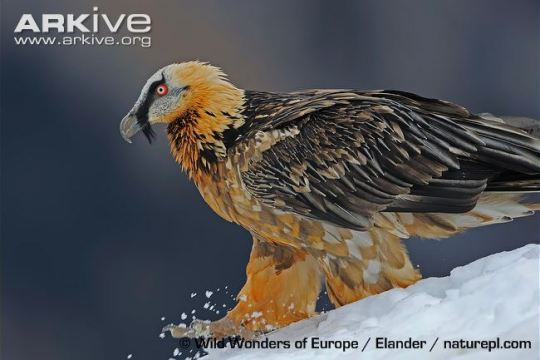
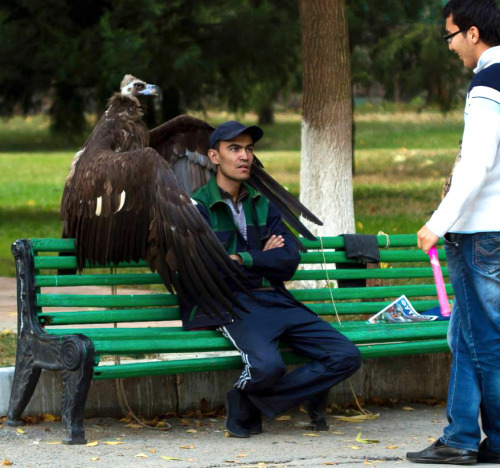
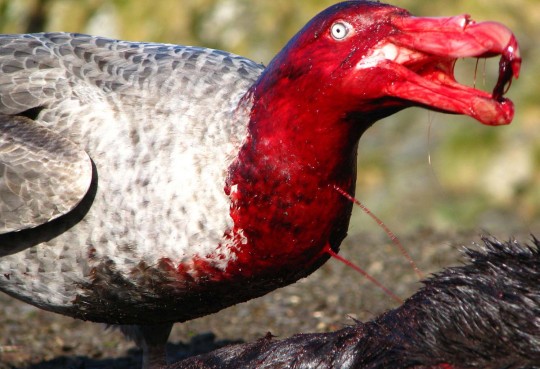
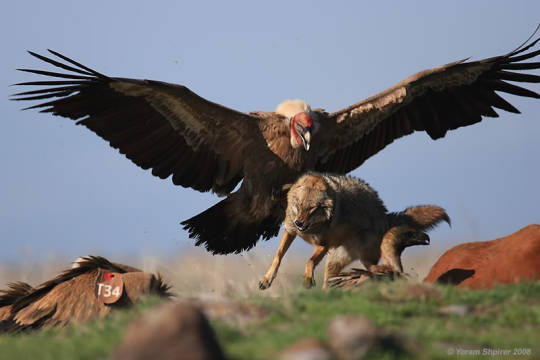
This is a bearded vulture, or lammergeier. It’s four feet long and has a nine foot wingspan and it eats bones.
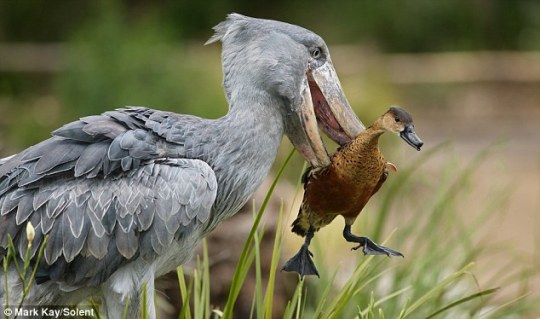
This is a shoebill stork. It dropped the duck without biting down shortly after the picture was taken, but if it had decided not to-
… it could have been the end of the road for that duck.
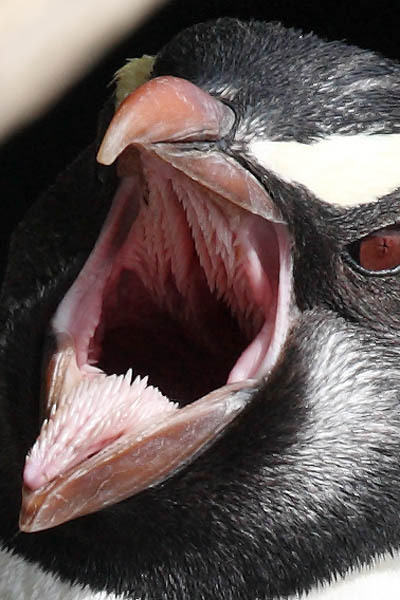
This is the last thing a fish sees before a macaroni penguin eats it.
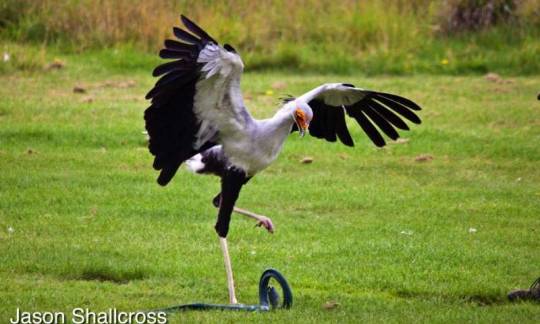
This is a secretary bird in the act of demonstrating to Lord Voldemort that he came to the wrong neighborhood, ese.
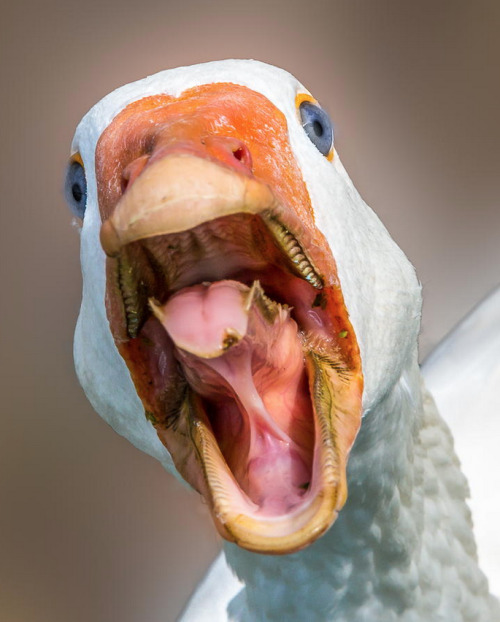
This is a goose.
This is a vulture.
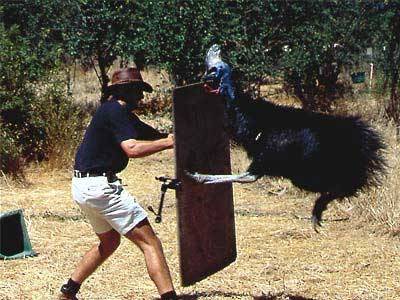
This is a cassowary on the attack.
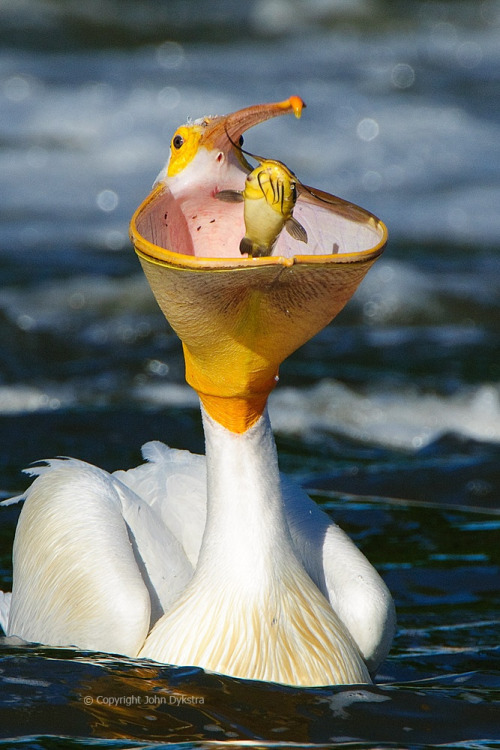
Be glad I couldn’t find the actual gif of a pelican swallowing a fish, because it’s freakin’ Lovecraftian in its HEADS SHOULD NOT BEND THAT WAY factor. You’ll have to settle for the idea of a feathered dinosaur suddenly going GLORP and devouring its victims whole just like this lady here.
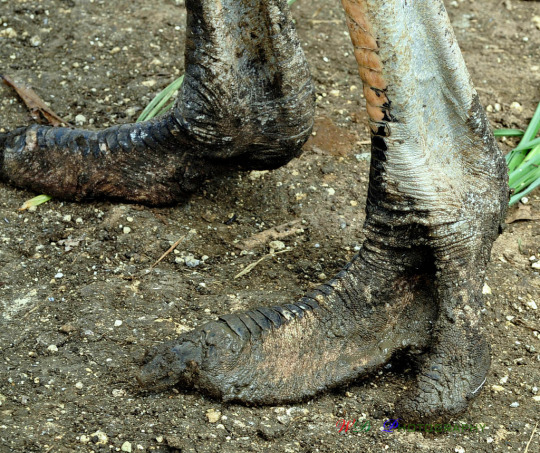
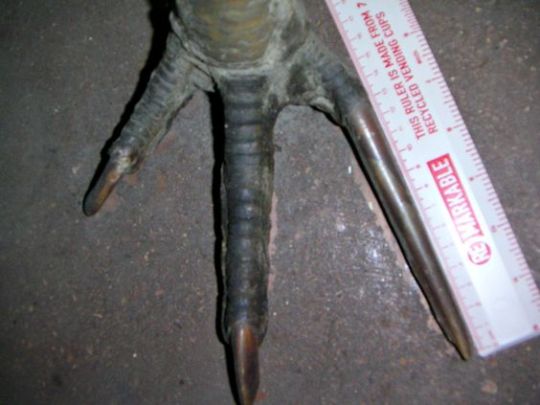
Steven Spielberg didn’t create these. These are the feet of an emu.
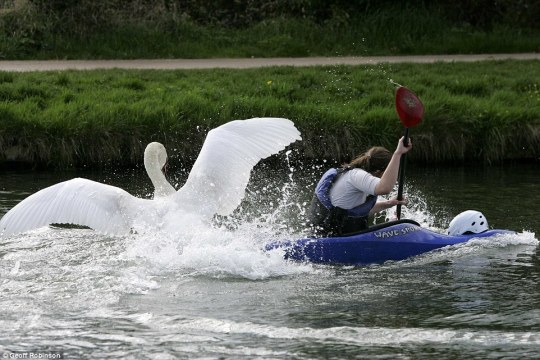
And this is what happens when a swan (this one is named Asboy; his father was Mr. Asbo, the first swan in the UK to get named after an anti-social behavior order in ‘honor’ of his tendency to attack boaters) decides it doesn’t like you. I should probably note that this one attacked a cow.
Respect the feathered dinosaur, yo.
Terrifying. The last two illustrate why you did not fuck around with the Children of Lir.
I suspected that a dinosaur could have been feathered after I heard that a T-Rex is the chickens’ ancestor.
For those who think dinos aren’t cool because they’re feathered…whatever, mutherfuckers. Evolution doesn’t give two shits what you think is cool or not.
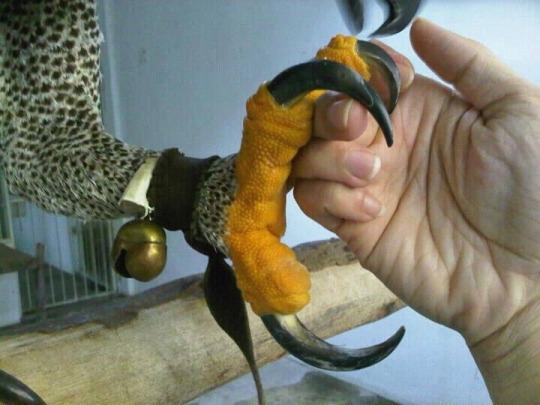
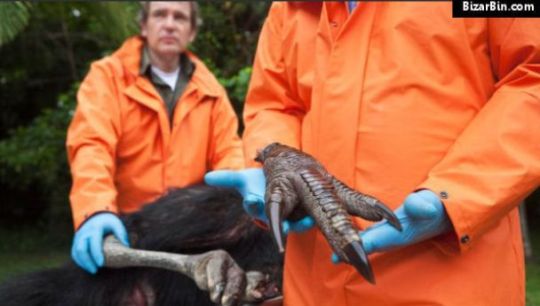
You showed a cassowary on the attack, but forgot to show what exactly it’s attacking with. Their feet are nearly identical to the Emu’s, except for one minor, teeny tiny detail: A five-inch claw for killing motherfuckers, raptor-style.
This is like the “fuck birds master post” and I love it because Honestly, Fuck. Birds.
Just a note :
T. rex is not in any way a direct ancestor of chickens. They’re both nested under Coelurosauria and Theropoda, but that’s it. Chickens are closer related to things like oviraptorosaurs, dromaeosaurids, and alvarezsaurids (Well,all birds in general are).
But anyway, to add on to this post :
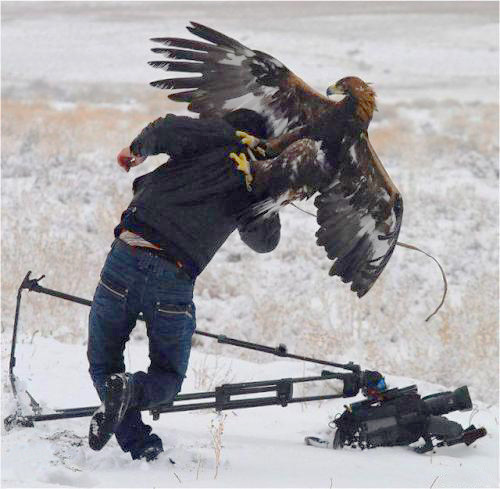
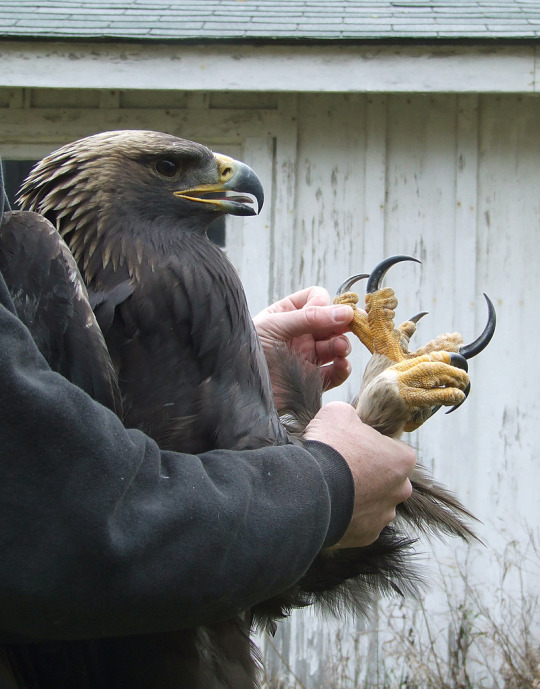
This is Aquila audax, aka the Australian Wede-Tailed Eagle. It’s one of the largest Eagles in the world alongside the Golden Eagle and Philippine Eagles with a wingspan of over 2.8 meters.
You seem, the Australian Wedge-Tailed Eagle ain’t your typical, run-of the mill bird of prey, Oh no.
This son of a bitch is metal as fuck
The diet of the American Bald Eagle consists mainly of fish. The Golden Eagle and Harpy Eagle will generally attack mostly small mammals, as with other eagles.
The Australian Wedge-Tailed Eagle?
This fucker will attack and prey on animals as large as Emus, bandicoots, small sheep, fucking Koalas, Frill-necked lizards, FUCKING FERAL CATS, FOXES, WALLABIES, GOATS, AND KANGAROOS.






 Steel Phoenix Studios